/137/1/16203046156093e2e7ba3a1_romans-international-logo-black-23.05.png)
/137/1/162513748360dda14b60068_romans-international-logo-whiteout.png)
10 Supercars Appreciating in Value: The 2026 Collector’s Guide
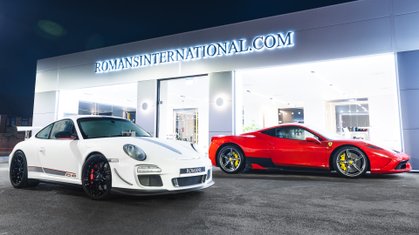
Rare, collectible supercars already showing strong appreciation in today’s market
There has always been a section of the supercar market that seemingly operates by its own rules. By that, we’re referring to cars that don't depreciate in the conventional sense. Instead, they hold their value, climb steadily, and in some cases achieve very rewarding returns.
The key, of course, is knowing which cars to back. At Romans International, we've been handling some of the world's most desirable performance cars since 1994. We've watched values soar, plateau, correct themselves, and surge once again.
In 2026, there is a clear set of supercars that tick every box a serious buyer should be considering so here is our guide to 10 supercars appreciating in value right now…
Ferrari Enzo
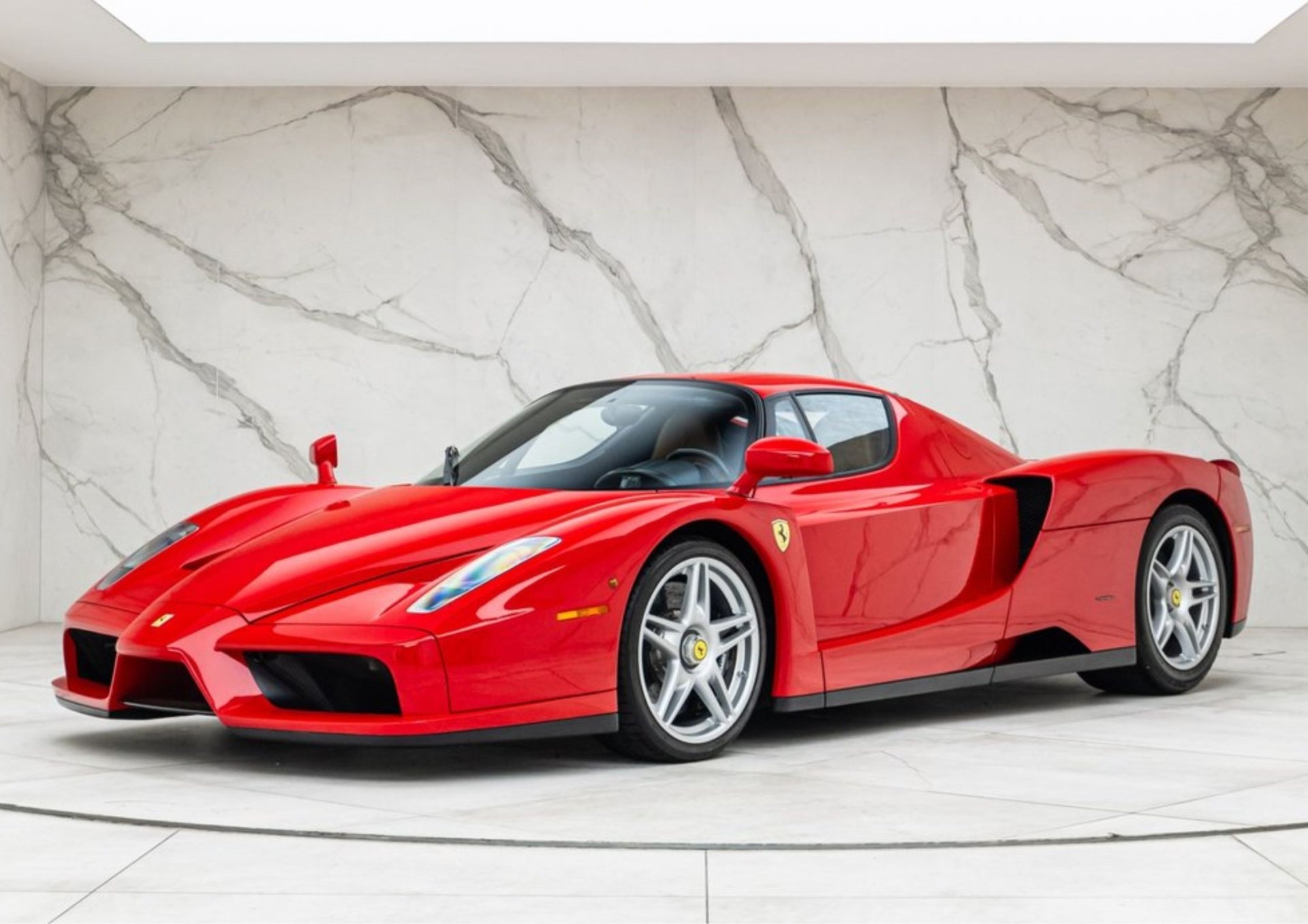
For us, the Ferrari Enzo remains the definitive modern Ferrari icon. It is the car against which everything that followed has been measured, consciously or otherwise. Built between 2002 and 2004 in just 399 examples (with a single additional car produced later for charity), it represented the full force of Ferrari’s Formula 1 programme at the time distilled into a road car.
For years the Enzo market has moved steadily upwards. In 2026, however, values have shifted dramatically. At Mecum’s Kissimmee sale, a Giallo Modena Enzo achieved $17,875,000, setting a new public auction record for the model and redefining expectations for early-2000s hypercars. Other sales quickly reinforced the trend: a Rosso Dino example realised $11.11 million, while a further car sold for $9.3 million at RM Sotheby’s Arizona auction.
Whilst we're yet to see those levels in Europe and the UK, these results mark a clear turning point. What was once regarded simply as a modern classic named after the man himself, has now entered the realm of modern automotive artefact, with collectors increasingly treating the Enzo as a cornerstone of the Ferrari lineage. As the last naturally aspirated V12 flagship before the arrival of the LaFerrari more than a decade later, its historical significance and its trajectory in the collector market is firmly established.
Did You Know?
The Ferrari Enzo was designed with Michael Schumacher's direct input. Its carbon fibre tub, paddle-shift transmission, carbon ceramic brakes, and active aerodynamics were developments from the championship-winning F1 cars of the era, translated into something that could be driven to glorious Goodwood on a Sunday morning.
Porsche 918 Spyder
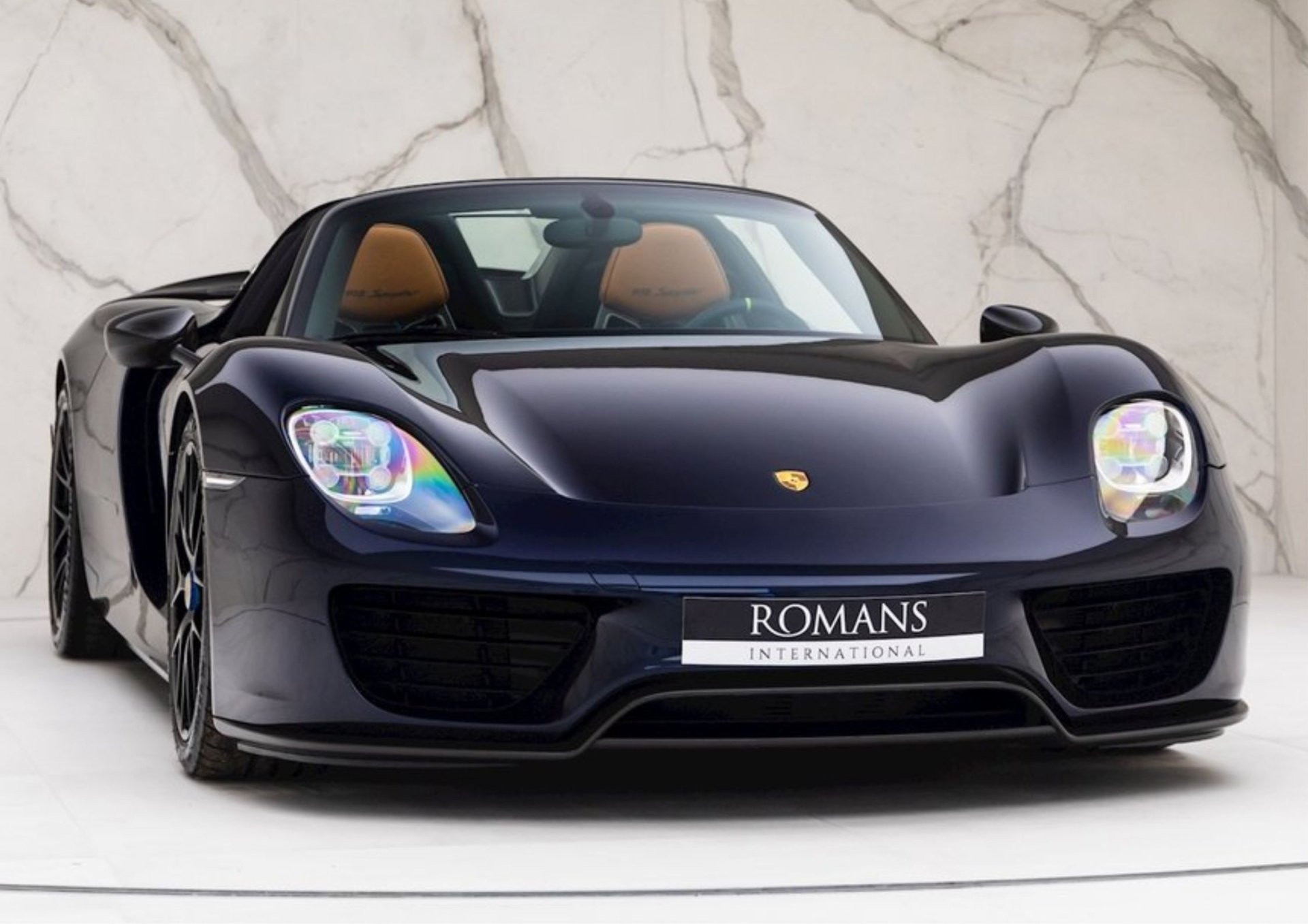
The Porsche 918 Spyder arrived in 2013 as part of the so-called ‘Holy Trinity’ of hypercars, alongside the Ferrari LaFerrari and McLaren P1. Its debut came with a clear message: that hybrid technology, applied with sufficient ambition, could enhance rather than dilute the driving experience. At the time, many enthusiasts were sceptical. The 918 Spyder quickly converted them.
Just 918 examples were produced, giving the car an immediate sense of significance. Among collectors, the Weissach Package is the most desirable specification. Designed as a weight reduction package, it replaces numerous components with lighter alternatives including magnesium wheels and additional carbon fibre body elements, while also removing certain comfort items and sound insulation. The result is a sharper, more focused version of an already remarkable machine.
Today the 918 Spyder is appreciating on several levels at once: as a landmark technological achievement, as one third of the era defining hypercar trio, and as a genuinely limited Porsche flagship. With values steadily strengthening in the collector market, including a significant premium for Weissach equipped examples, its status as one of the most important supercars of the 21st century is becoming increasingly clear.
Did You Know?
Thanks to its 4.6-litre naturally aspirated V8 engine paired with two electric motors for a combined output of 887hp, the Porsche 918 Spyder set a Nürburgring lap record of 6:57 at launch. It was the first production car to break the seven-minute barrier at the Nordschleife, and it did so while offering genuine daily usability and, in electric-only mode, near-silent running.
Ferrari 458 Speciale
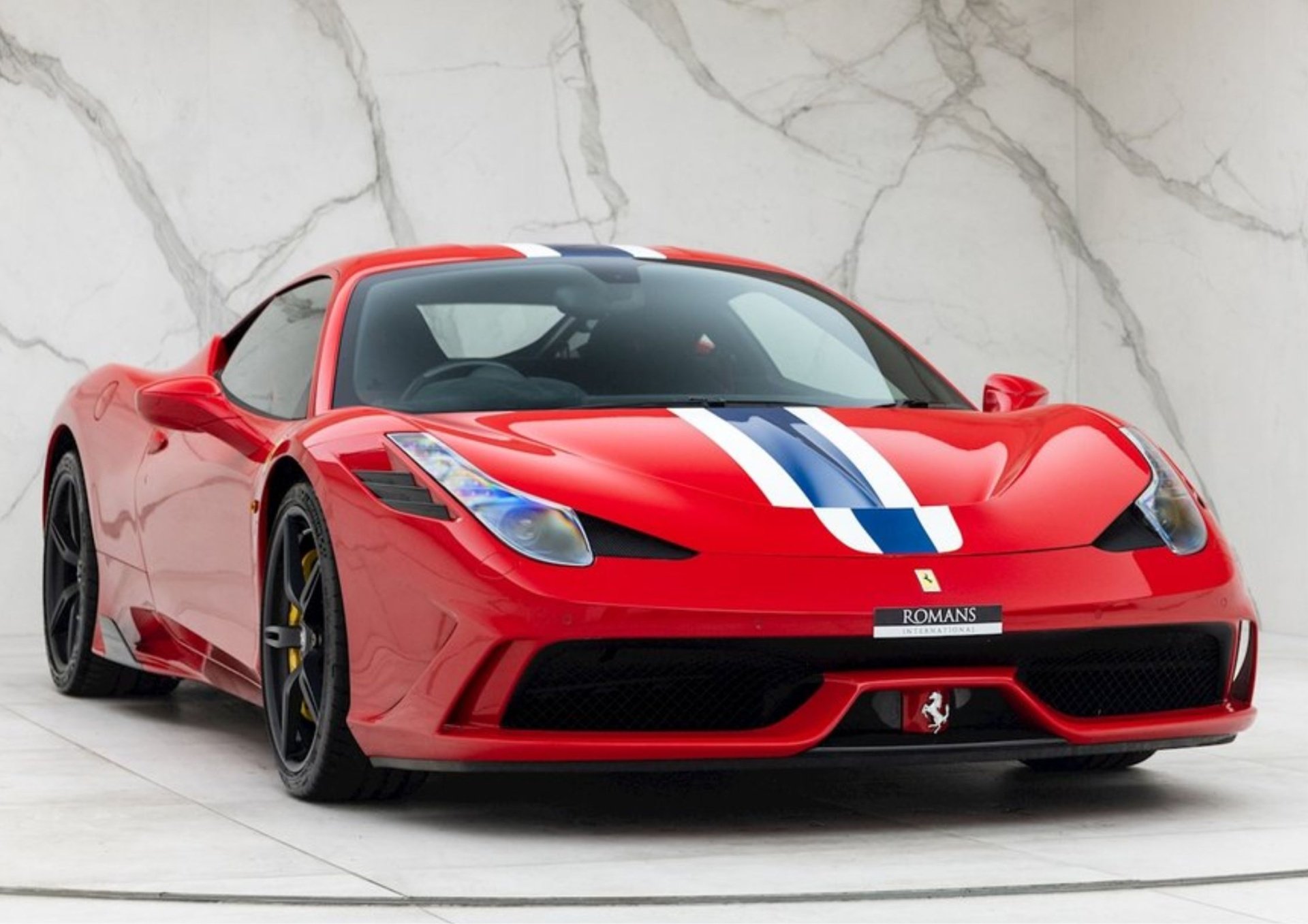
If you ask the most informed Ferrari enthusiasts to name the finest modern Ferrari to drive, the Ferrari 458 Speciale will appear on almost every shortlist. With 605hp from a naturally aspirated 4.5 litre V8 that revs to 9,000rpm, and marking the end of Ferrari’s naturally aspirated V8 era, the Speciale represents a very specific moment in the brand’s history, just before the industry shifted decisively toward turbocharging.
While values for the Ferrari 458 Speciale have fluctuated in recent years, the market has accelerated notably in 2026, with prices rising by approximately £75,000 to £100,000 compared with 2025 levels. Momentum continues to build as demand strengthens for Ferrari’s final naturally aspirated V8 berlinetta.
The Speciale A, the open top Aperta version limited to just 499 examples, sits above the Coupé in value and in some cases commands close to double the price. It is firmly established as one of the most sought after Ferraris of the modern era. Both variants continue to show strong upward momentum in the collector market, suggesting the opportunity to buy at current levels may not remain open indefinitely.
Did You Know?
Like the Challenge Stradale and 430 Scuderia before it, the 458 Speciale was produced over a limited timeframe rather than a fixed production number. It is estimated that around 2,000 to 3,000 coupés were built globally, with roughly 250 believed to have been supplied to the UK. By contrast, the Speciale A was strictly limited to just 499 examples worldwide, making it significantly rarer and a key reason it commands a substantial premium.
Lamborghini Aventador SVJ
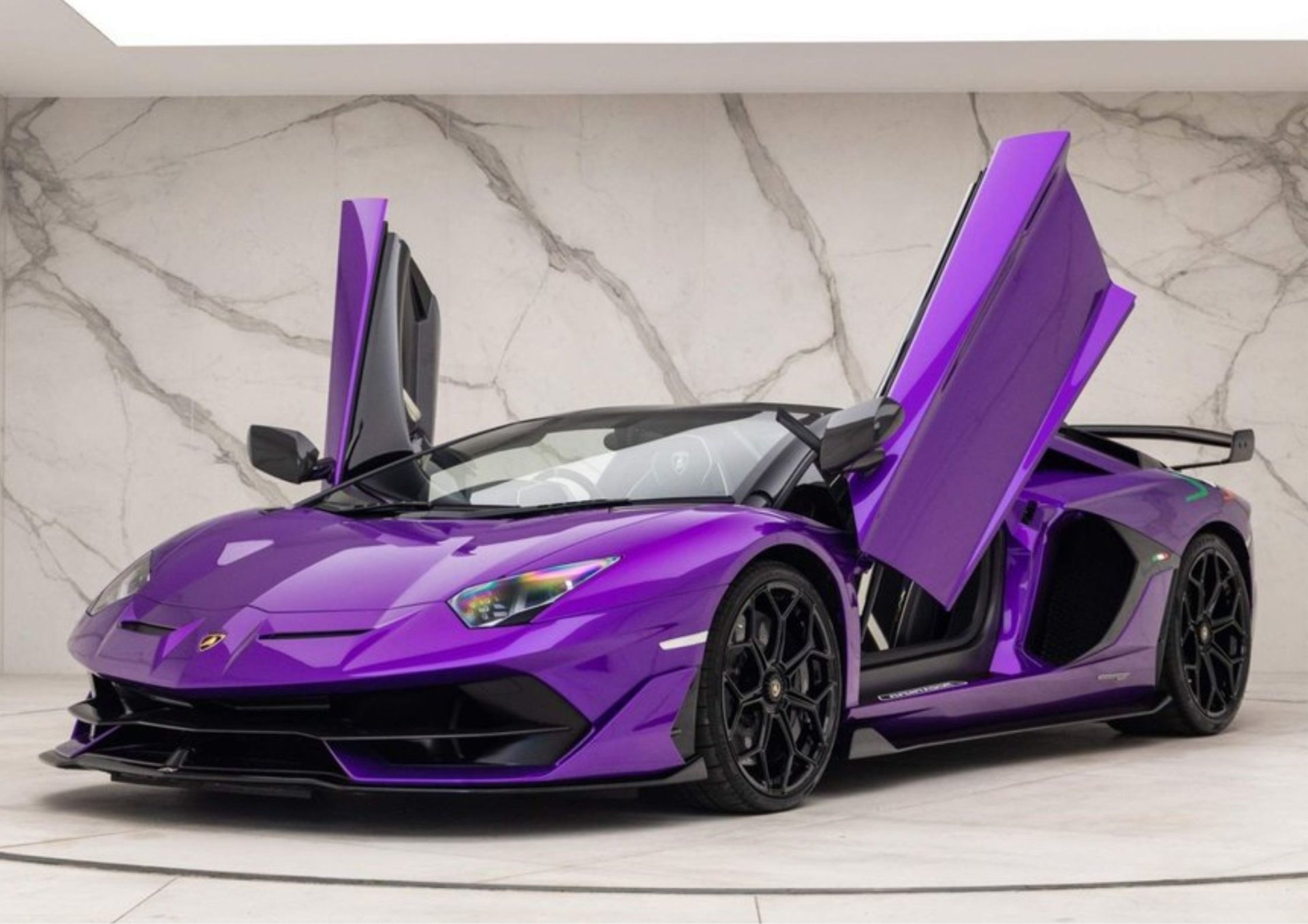
When Lamborghini ended Aventador production in 2022, it closed the chapter on one of the most recognisable supercars of the modern era. The Lamborghini Aventador SVJ, standing for SuperVeloce Jota, represents the most extreme performance expression of the V12 flagship. In a market moving rapidly toward hybridisation, the SVJ remains gloriously uncompromising, powered by a 770hp naturally aspirated V12 and delivering the kind of theatre only a Lamborghini can provide. With scissor doors, dramatic aerodynamics and an engine note unlike anything else on the road, it already feels like a product of a bygone era.
Although the Aventador Ultimae was introduced as the official farewell edition, it is the SVJ that holds the performance crown. Developed around Lamborghini’s active ALA aerodynamics system and once the Nürburgring production car lap record holder, the SVJ sits at the very peak of the Aventador lineage.
Values for the SVJ have begun to strengthen as the wider market recognises that this particular era of Lamborghini V12 road car is unlikely to return and is increasingly viewed as one of the defining Lamborghinis of the modern collector market.
Did You Know?
Limited to 900 Coupés and 800 Roadsters worldwide, the Aventador SVJ is the absolute pinnacle of what the naturally aspirated Lamborghini V12 road car can achieve. It carries the distinction of setting the Nürburgring production car lap record at 6:44.97 during the time of its launch, and for that, it will always have a place in our hearts.
Mercedes-Benz SLS AMG Black Series
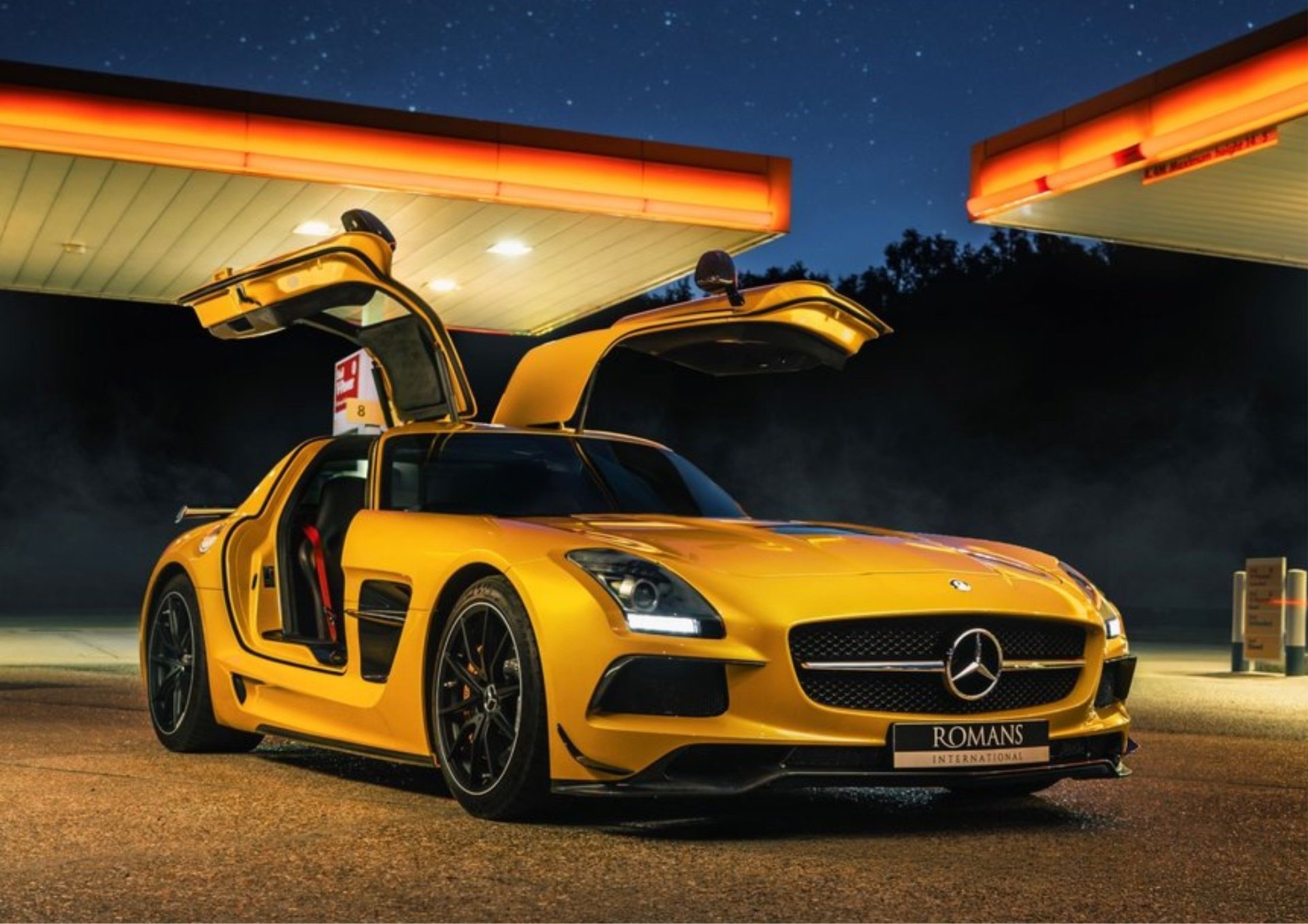
The Mercedes-Benz SLS AMG was already a remarkable car. With its distinctive gullwing doors, long bonnet proportions and thunderous 6.2 litre naturally aspirated V8, it captured the spirit of a classic front-engined supercar in a way few modern machines have managed. The SLS Black Series took that foundation and pushed it through AMG’s most extreme development programme.
Power rose to 631hp, weight was reduced through extensive use of carbon fibre, and the chassis was transformed with wider track, revised suspension and far more aggressive aerodynamics. The result was a car that moved decisively away from grand tourer and toward something genuinely track focused. It remains one of the most visceral cars AMG has ever produced.
Production numbers have long been debated, but what is clear is that right hand drive cars are exceptionally rare. Reports suggest just seven UK supplied examples and around fifteen right hand drive cars globally, making them one of the rarest modern AMGs.
This rarity, combined with the status of the Black Series as AMG’s ultimate halo models, has pushed values sharply upwards. Today the SLS Black Series can command three to four times the price of a standard SLS, and as interest in AMG’s most extreme creations continues to grow, it is increasingly viewed as the pinnacle of the entire Black Series lineage.
Did You Know?
The Mercedes-Benz SLS AMG Black Series was the last car to carry AMG's naturally aspirated 6.2-litre V8 in Black Series specification. It’s an engine with a history that stretches back through the C63, the SL65, and numerous competition cars, and one that will not be seen in this form again.
Ferrari F12tdf
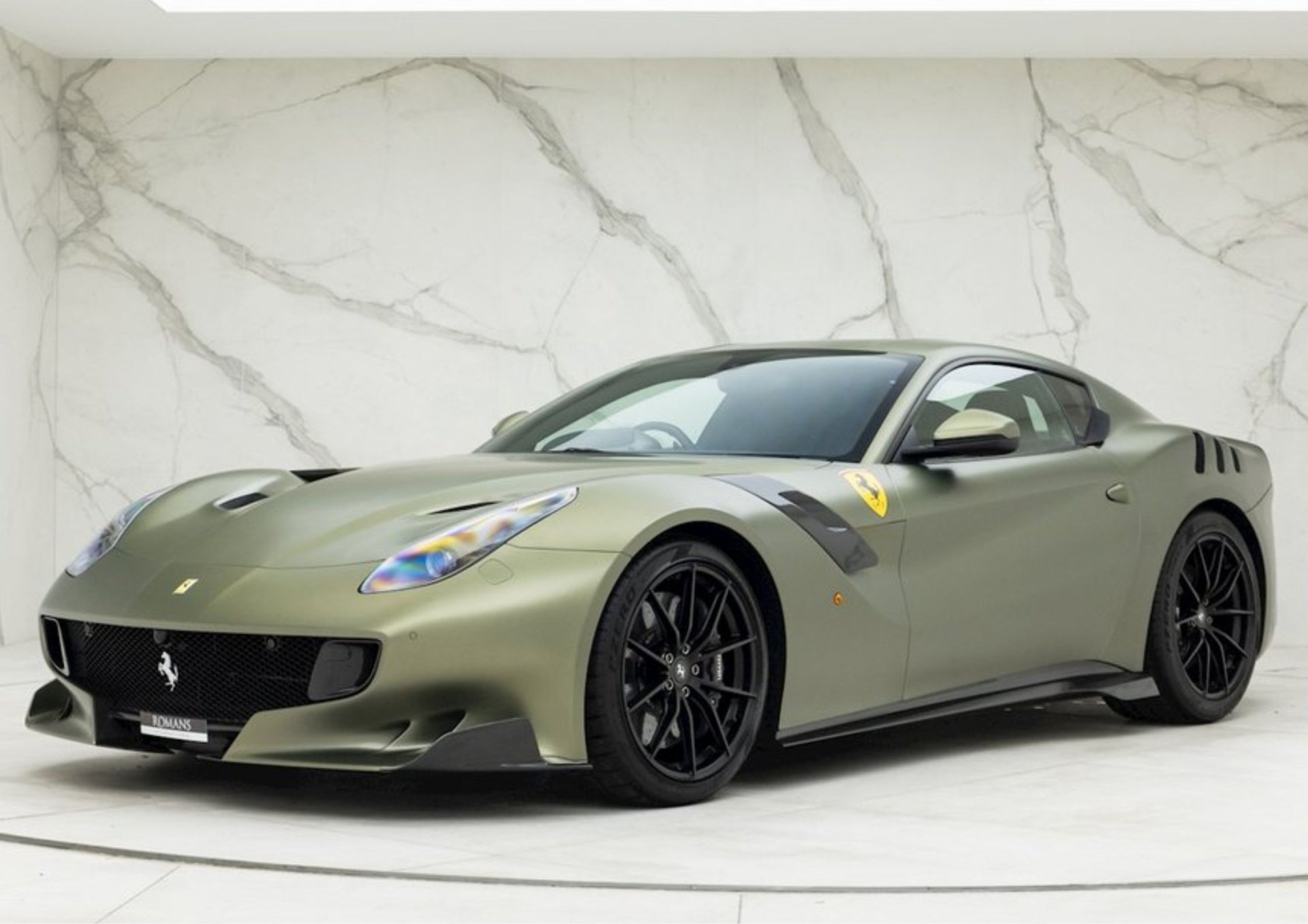
The Ferrari F12tdf occupies a unique position in the modern Ferrari landscape. As the final V12 Ferrari designed in collaboration with Pininfarina, it marks the end of one of the most significant design partnerships in automotive history. Combined with production limited to just 799 examples, making it rarer than the 812 Competizione, it sits firmly in the top tier of modern Ferrari collectability.
That significance is now being reflected in the market. Recent auction results have seen world record prices achieved, with the very best examples pushing firmly beyond previous highs. In the UK, top tier cars are now reaching seven figure territory, a notable shift from an original list price of around £400,000. While early hype saw values approach £1 million shortly after launch, today’s pricing feels driven by long term collector demand rather than short term speculation.
As interest continues to build around Ferrari’s naturally aspirated V12 lineage, the F12tdf has firmly established itself as one of the most desirable cars of its era. The combination of Pininfarina provenance, rarity and genuine driver appeal has positioned it as a cornerstone modern Ferrari for serious collectors.
Did You Know?
The F12tdf introduced Ferrari’s rear-wheel steering system, known as Virtual Short Wheelbase. It was one of the first front-engined Ferraris to use it, dramatically improving agility and giving the car a much sharper, more responsive feel than its size would suggest.
McLaren P1
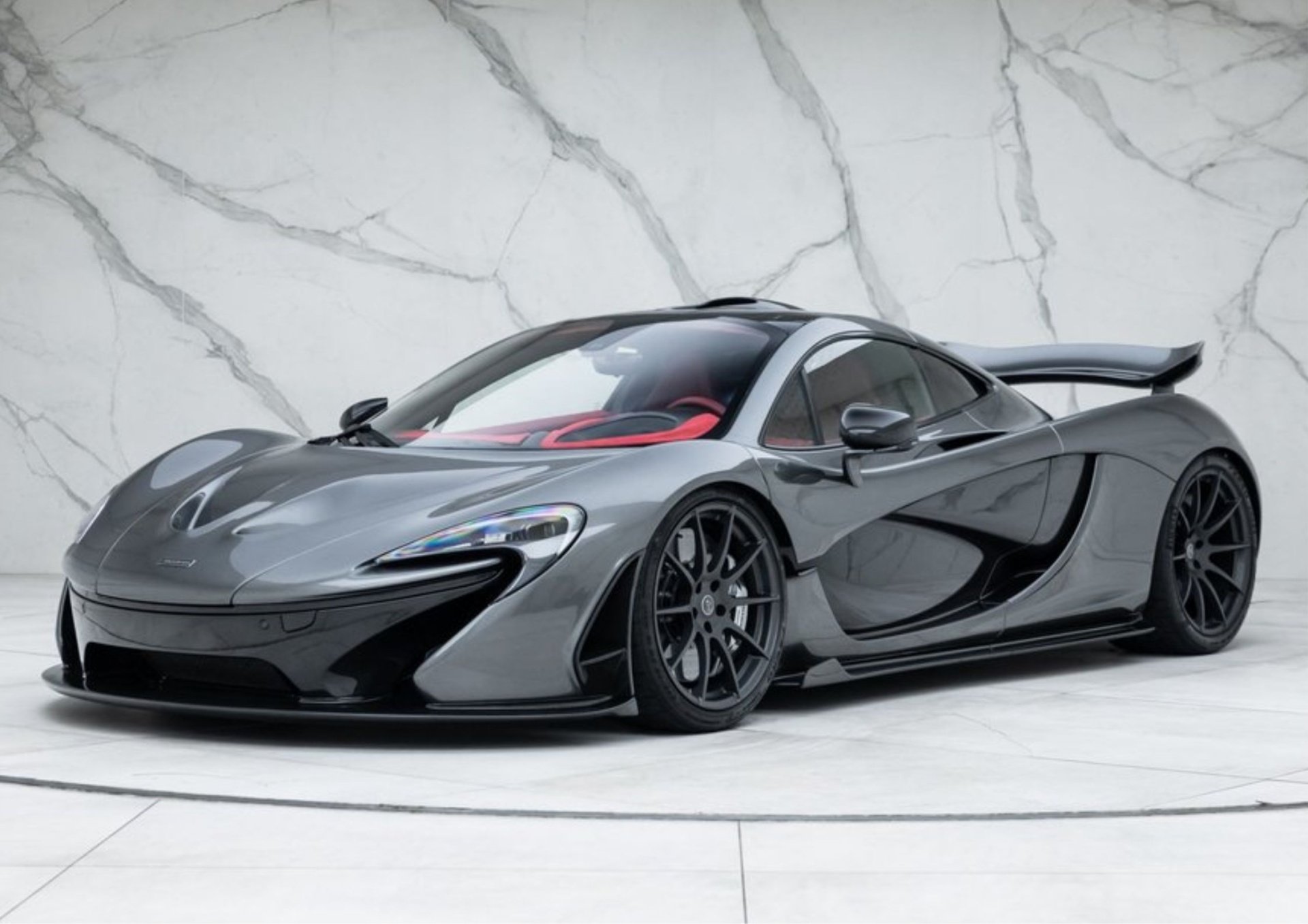
The McLaren P1 marked a defining moment for the brand, re-establishing it at the very top of the hypercar hierarchy. Launched as part of the ‘Holy Trinity’ alongside the Ferrari LaFerrari and Porsche 918 Spyder, the P1 quickly earned a reputation as the most driver-focused of the three. With its emphasis on lightweight engineering, active aerodynamics and track-derived technology, it delivers an intensity that still sets it apart today.
With production limited to just 375 road cars, the P1 is also the rarest of the Holy Trinity. That rarity, combined with its uncompromising character, has given it an increasingly cult-like status among collectors. The track-only P1 GTR, with its enhanced performance and exclusivity, sits above the road car in value, further reinforcing the model’s position at the very top of McLaren’s modern lineage.
While early concerns around battery longevity created some hesitation in the market, values have continued to climb regardless. Today the P1 is widely viewed as undervalued relative to its rivals, despite values starting to build momentum toward the £2 million mark. For many collectors, it represents one of the most compelling opportunities within the Holy Trinity.
Did You Know?
The McLaren P1 was designed using a “shrink wrap” philosophy, where the bodywork is tightly formed around the mechanical components, much like the skin of a cheetah. This approach removes visual bulk and is a key reason the P1 has aged so well.
Porsche 911 GT3 RS 4.0 (997)
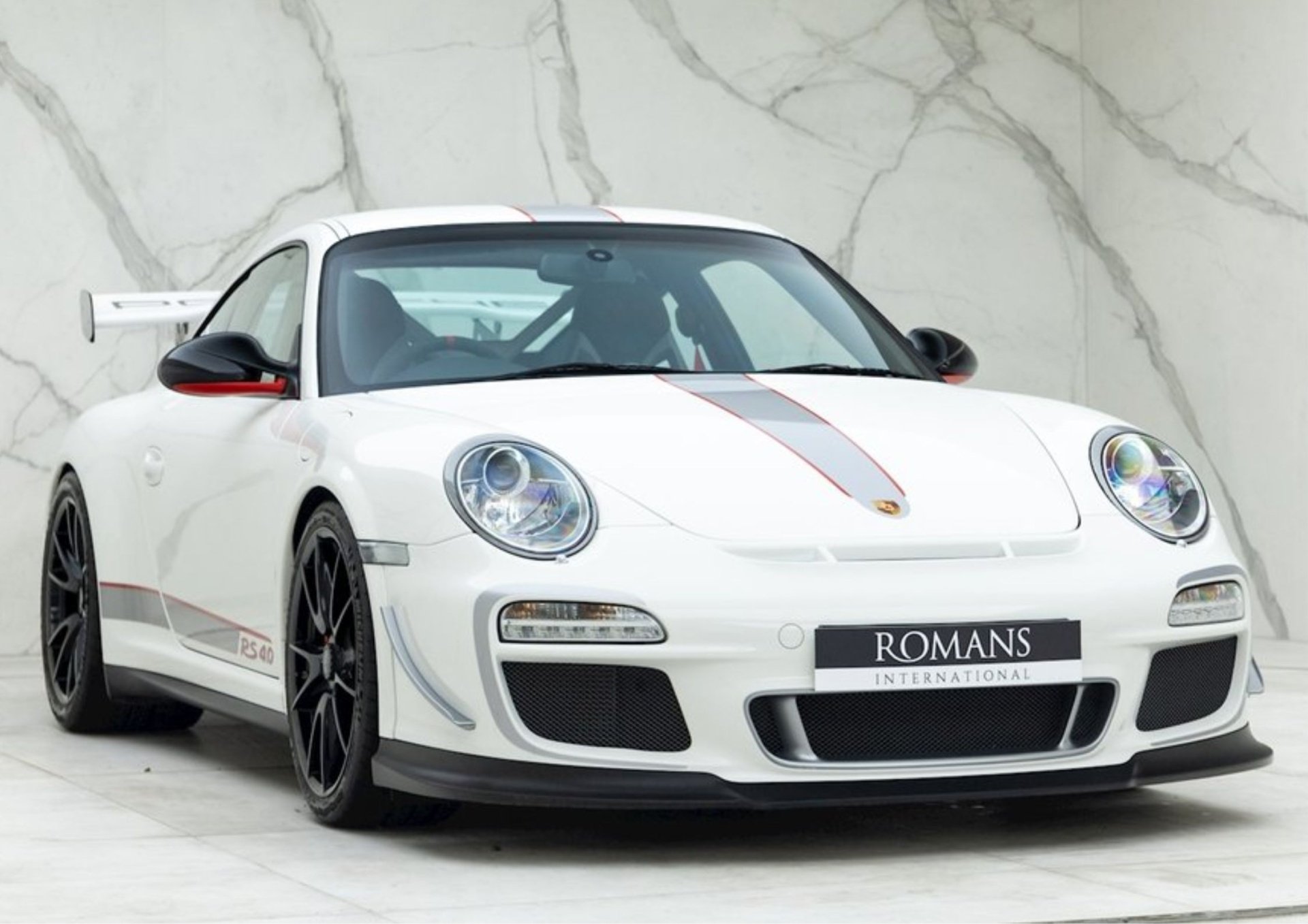
Of all the Porsches that have appreciated dramatically in recent years, the Porsche 911 GT3 RS 4.0 (997) stands as one of the most compelling examples. Built in 2011 in just 600 units, it was conceived as the final and most extreme evolution of the 997-generation GT3 programme.
At its core is a 4.0 litre naturally aspirated flat six derived from Porsche’s 911 RSR race car, producing 500hp and revving to 8,500rpm. It is widely regarded as one of the greatest engines ever fitted to a road car. More importantly for collectors, it represents the end of an era, the last GT3 RS developed before the shift toward more complex, electronically assisted cars.
Values have risen significantly from new, but it is in recent months that the car has seen a more pronounced surge, with the best examples now trading at multiples of their original list price. As demand continues to build for analogue, naturally aspirated Porsche GT products, the GT3 RS 4.0 has firmly established itself as one of the most important modern Porsches.
Did You Know?
Every GT3 RS 4.0 was offered exclusively with a manual gearbox, making it the last GT3 RS to combine a Mezger-derived engine with a manual transmission, a combination that is now considered the gold standard among Porsche collectors.
Aston Martin One-77
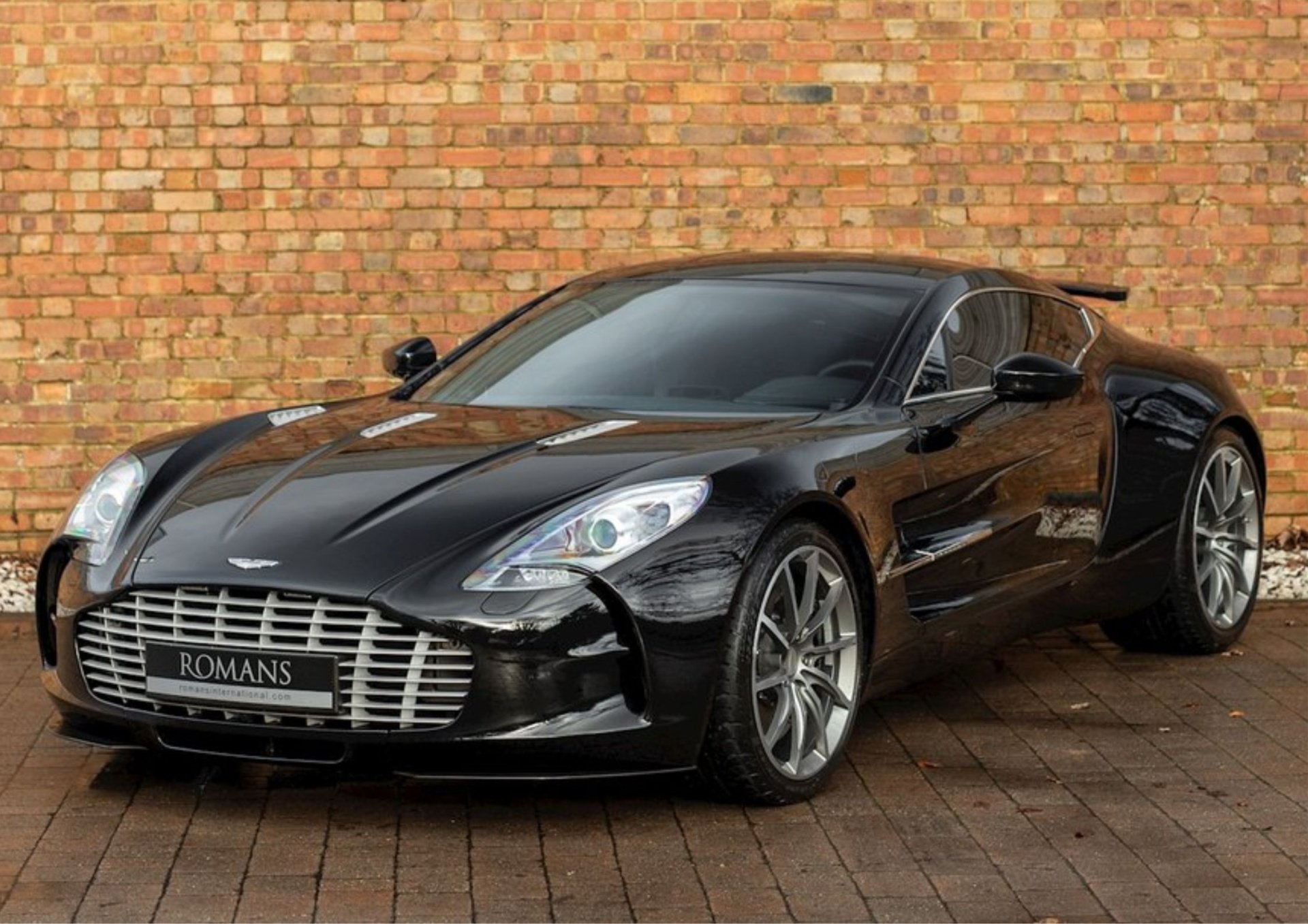
The Aston Martin One-77 is exactly what its name suggests. Just 77 examples were built, making it one of the rarest production Aston Martins of the modern era. Unveiled at the 2008 Geneva Motor Show, it represented a definitive statement of intent from the brand, combining hand-built craftsmanship with a 7.3 litre naturally aspirated V12 developed in partnership with Cosworth.
Values for the One-77 have been strengthening for years, with the trajectory showing little sign of slowing. With such limited production and a significant proportion of cars held in long-term collections, the number of examples available on the open market at any given time is extremely small. When cars do surface, they tend to attract immediate attention from serious collectors.
As Aston Martin’s ultimate halo car of the era, the One-77 occupies a unique position in the market. The combination of rarity, engineering pedigree and timeless design has firmly established it as one of the most desirable modern Aston Martins.
Did You Know?
Each Aston Martin One-77 required over 2,000 hours of skilled labour to build. The 7.3 litre V12 was hand-assembled at Aston Martin’s Gaydon facility, with each engine personally signed off by its builder, a level of craftsmanship rarely seen in modern supercar production.
McLaren Senna
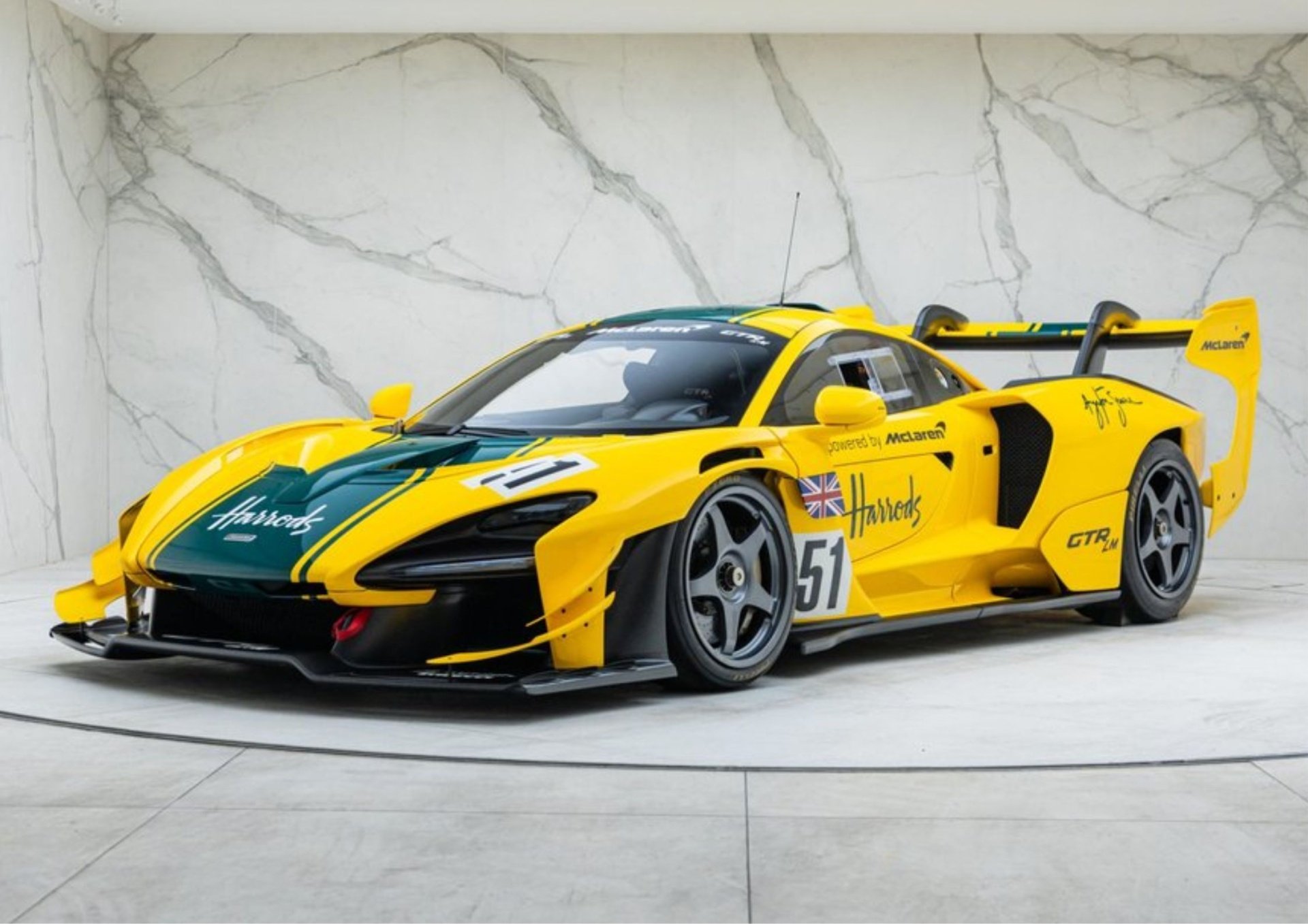
The McLaren Senna was never intended to be comfortable or practical. It was engineered with complete singularity of purpose, to be the fastest road-legal McLaren ever built, with every element focused on maximising lap time. Extreme aerodynamics, minimal weight and relentless downforce define the car, placing it closer in philosophy to a race car than a conventional road-going supercar.
That focus has translated into strong market performance. Values bottomed out in 2020 and have been rising steadily since, with the track-only Senna GTR and ultra-rare Senna GTR LM commanding substantial premiums above the road car. As with many of McLaren’s most extreme models, the hierarchy within the range plays a significant role in collectability.
While its design and uncompromising nature mean it is not universally admired, the Senna has earned a clear level of respect among collectors who value performance above all else. As one of the most focused road cars of its era, it continues to establish itself as a significant part of McLaren’s modern lineage, with values expected to trend upward over time.
Did You Know?
The glass panels in the Senna’s doors were designed to improve visibility on track, allowing drivers to better place the car at corner apexes, a small detail that reflects its race-first philosophy.
Final Thoughts
If one thing is clear, it is that the market continues to favour cars that represent the end of an era. Naturally aspirated engines, analogue driving experiences and genuinely limited production runs are becoming increasingly important to collectors, and the cars that combine these qualities are already pulling away from the rest of the market.
If one of these models is on your radar, it is worth paying close attention to how values are evolving. Timing and specification play a significant role at this level, and identifying the right car is as important as choosing the right model.
At Romans International, we have been fortunate to handle many of the cars featured in this list. Our experience in sourcing, valuing and placing these cars allows us to offer informed guidance to clients looking to enter or refine a collection. You can explore our current and previously sold stock online, or contact us directly to discuss opportunities as they arise.