/137/1/16203046156093e2e7ba3a1_romans-international-logo-black-23.05.png)
/137/1/162513748360dda14b60068_romans-international-logo-whiteout.png)
Aston Martin DB11 vs Porsche 911 – Which Is Better?
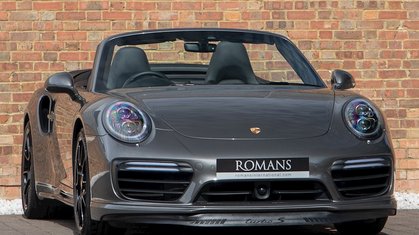
The Aston Martin vs Porsche. It's been keeping pubs, forums and showrooms in lively debate for decades.
One has a British prestige feel. All class and sophistication. The car of Bond. The other is pure German engineering. Subtler. But packs a real punch as soon as your foot hits the accelerator.
Since we’re not ones to shy away from a bit of a debate, we thought we’d compare two of our favourite models of theirs, the DB11 and 911.
The Aston Martin DB11, rolled out in 2016 and replaced by the DB12 in 2023, mixes classic British style with modern tech and a choice of V8 or V12 engines. The Porsche 911, a legend since 1963, keeps raising the bar for do-it-all sports cars, with the latest 992 Turbo S pushing performance to the max.
Both cars are great and attract buyers who want that perfect blend of performance and practicality.
But which one is right for you?
In this post, we’ll compare everything from their performance to the interior and exterior. So by the end of it, you’ll be able to pick which one is better for you.
Pros and Cons
Pros
| Aston Martin DB11 | Porsche 911 Turbo S |
| ✅ V8 or V12 power, classic GT feel | ✅ Legendary handling and steering |
| ✅ Stunning, hand-crafted design | ✅ Blistering real-world pace |
| ✅ Luxurious, bespoke interior | ✅ Everyday usability |
| ✅ Grand touring comfort | ✅ Advanced tech and safety |
Cons
| Aston Martin DB11 | Porsche 911 Turbo S |
| ❌ Heavier, less agile than 911 | ❌ Less dramatic styling |
| ❌ Not as sharp on track | ❌ Smaller boot, less GT comfort |
| ❌ Running costs can be high | ❌ Can feel clinical to some |
| ❌ Rear seats are less usable | ❌ Options can inflate the price |
Exterior
While both the DB11 and the 911 are performance coupes, their design philosophies are worlds apart.
DB11
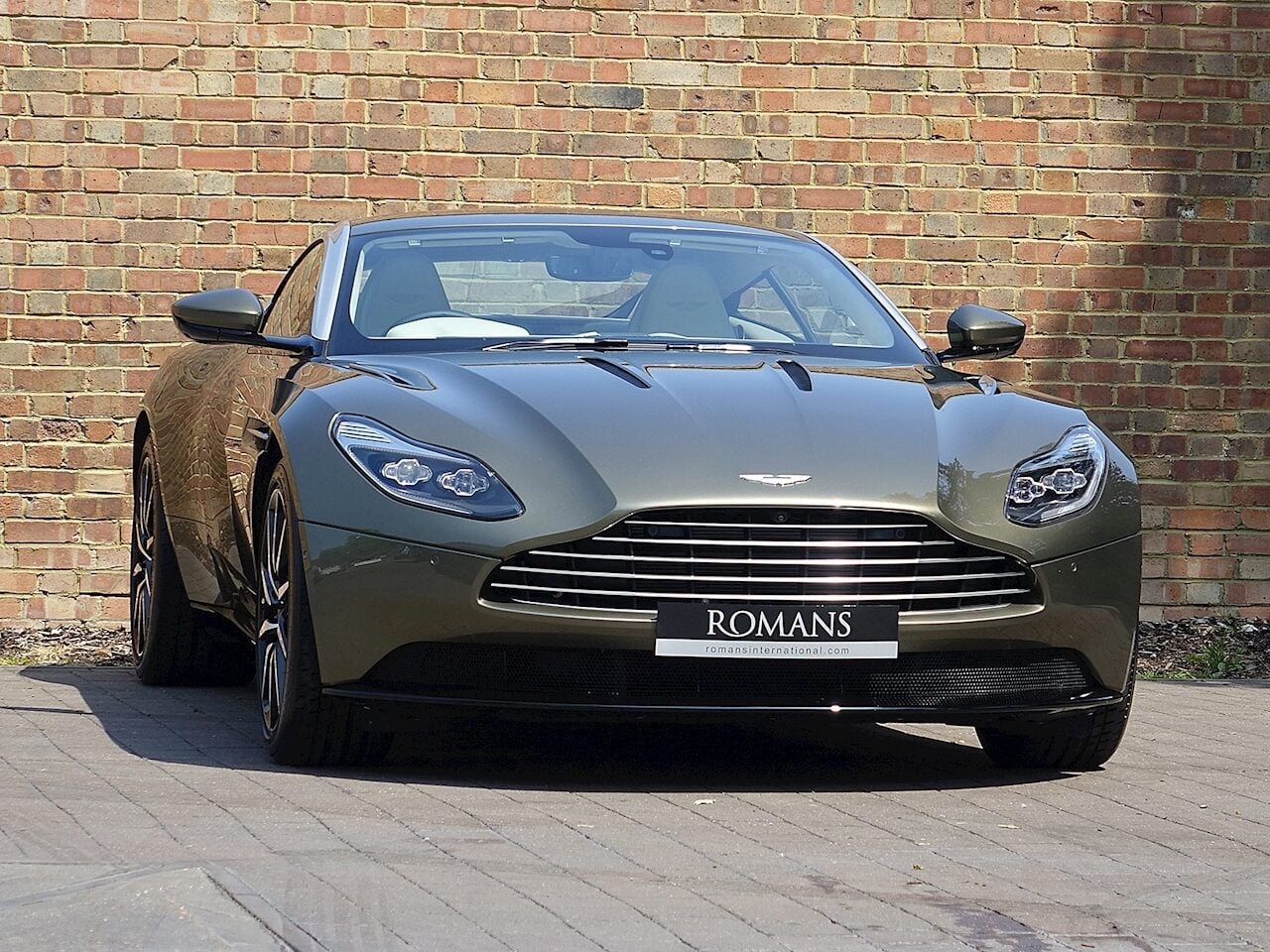
With its signature wide-mouth grille, clamshell hood, and muscular haunches, the DB11 makes a bold impression. The classic silhouette, with a long front-engine bonnet and short deck, tells you this is a serious performance drive.
Its LED headlights and stretched taillights add a sharp, aggressive edge, while prominent air vents and flowing sculptural lines define the elegant side profile.
An extensive range of bespoke paint options, including their unique "Q by Aston Martin" palette, gives you plenty of choice.
Overall, the DB11 is a well-proportioned machine, exemplifying British elegance, passion, and flair, perfect for those who want a car that turns heads.
Turbo S
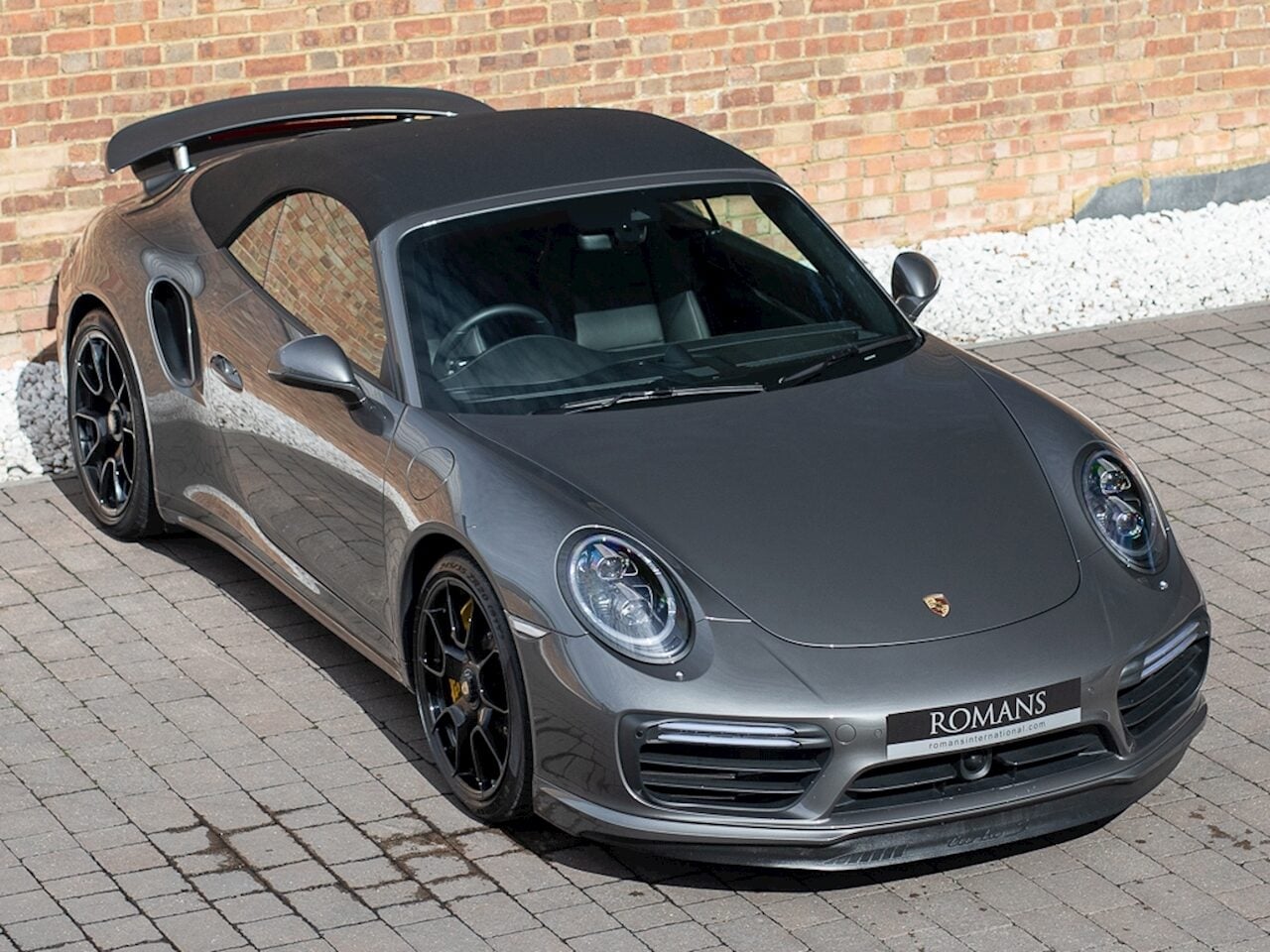
This 911 has evolved over the years, adding muscle to its refinement. Today, it is sleek, sculpted, and still unmistakably a Turbo.
Its front-end features rounded headlights and deep air intakes. The rear, with quad exhausts, an active spoiler, and a continuous light bar, balances style and function for high-speed stability. The classic 911 shape shines through with wide rear arches and a sloping roofline.
Though less bold than the DB11, the Turbo S exudes German precision and understated confidence, ideal for those who value refined engineering over flashy aesthetics.
Wheels and Brakes
DB11
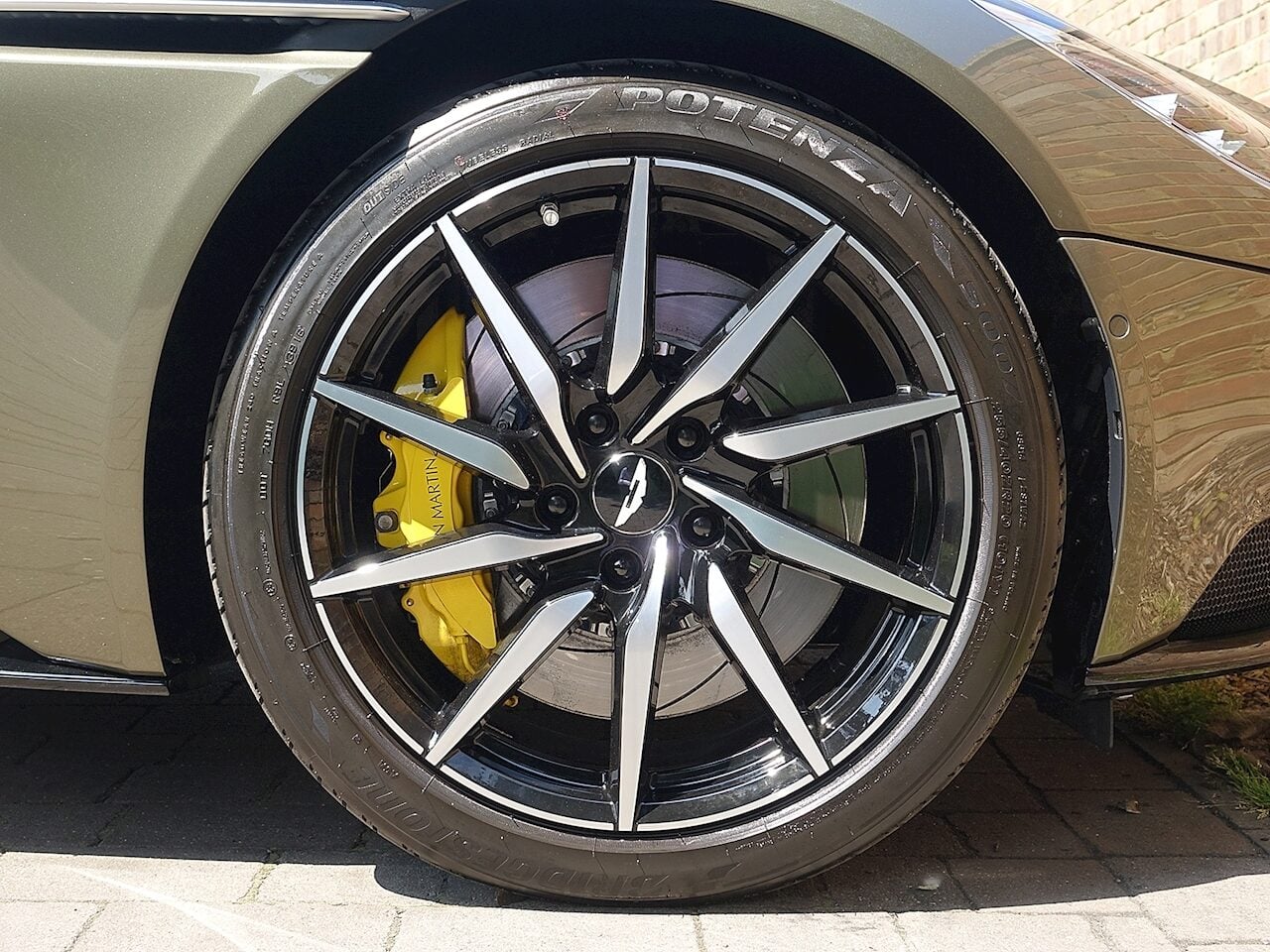
The DB11 drives on 20-inch or 21-inch alloy wheels, available in multiple finishes and designs, including Twin Spoke, Y Spoke, V Spoke, and Forged 10 Spoke.
Standard steel brakes provide strong stopping power, delivering confidence during spirited road drives. For track enthusiasts, optional carbon ceramic brakes, especially on V12 models, offer superior resistance to fade under heavy use.
The customisation options are almost endless on the DB11, or at least too long for us to list here. You can customise everything from brake calliper colours to wheel styles and finishes; there are tons of ways to personalise this car.
Turbo S
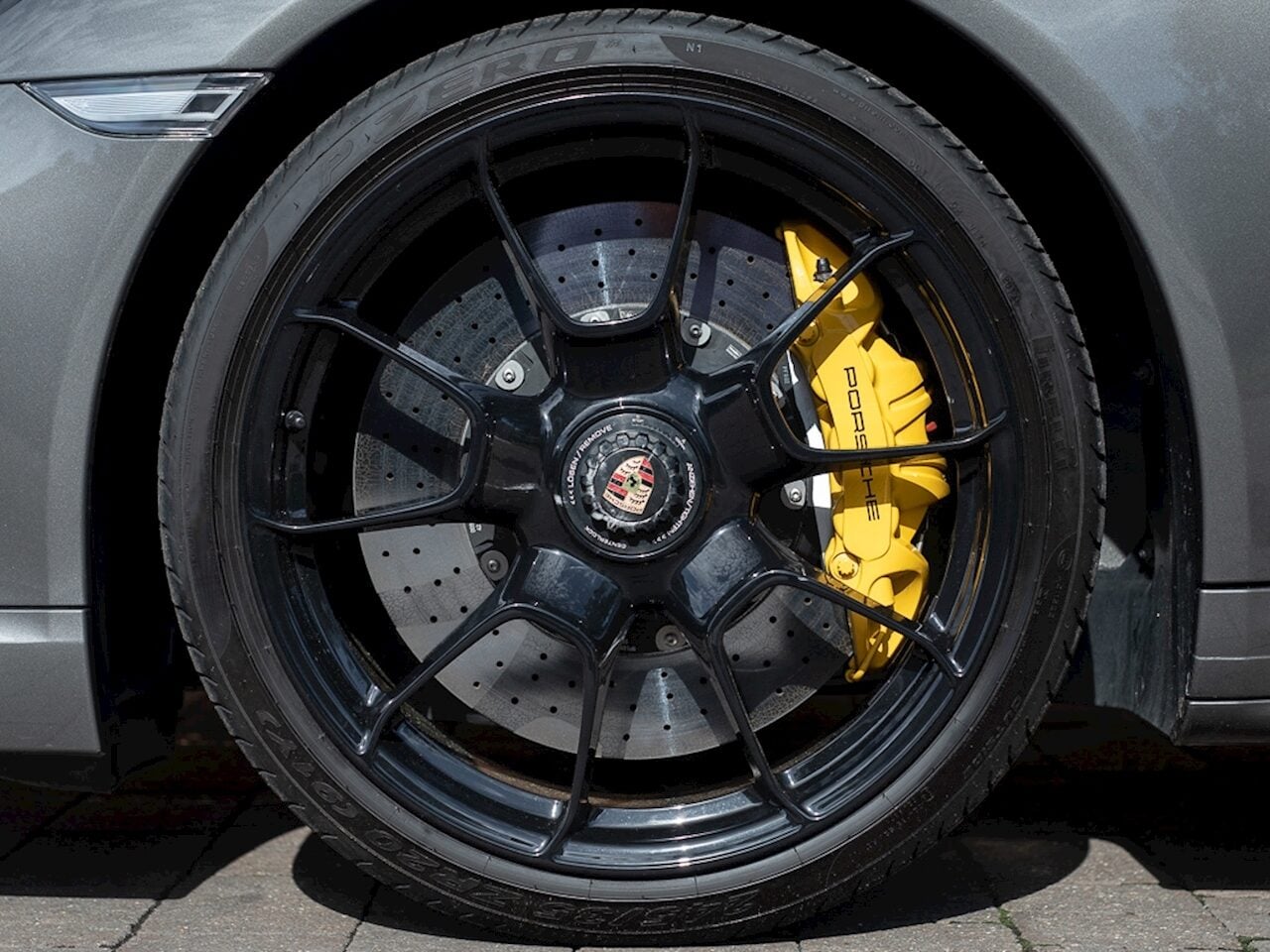
Staggered wheels, 20-inch at the front and 21-inch at the rear, help deliver sharp turn-in and confident grip.
Porsche Carbon Ceramic Brakes (PCCB) come standard, offering fade-resistant stopping and slowing during full-throttle track days.
A front axle lift system helps navigate uneven roads, while standard active suspension (PASM) and dynamic chassis control balance comfort and track agility.
Choose from a wide selection of wheel designs and brake caliper colours, including centre-lock wheels for racing flair.
Interior
DB11
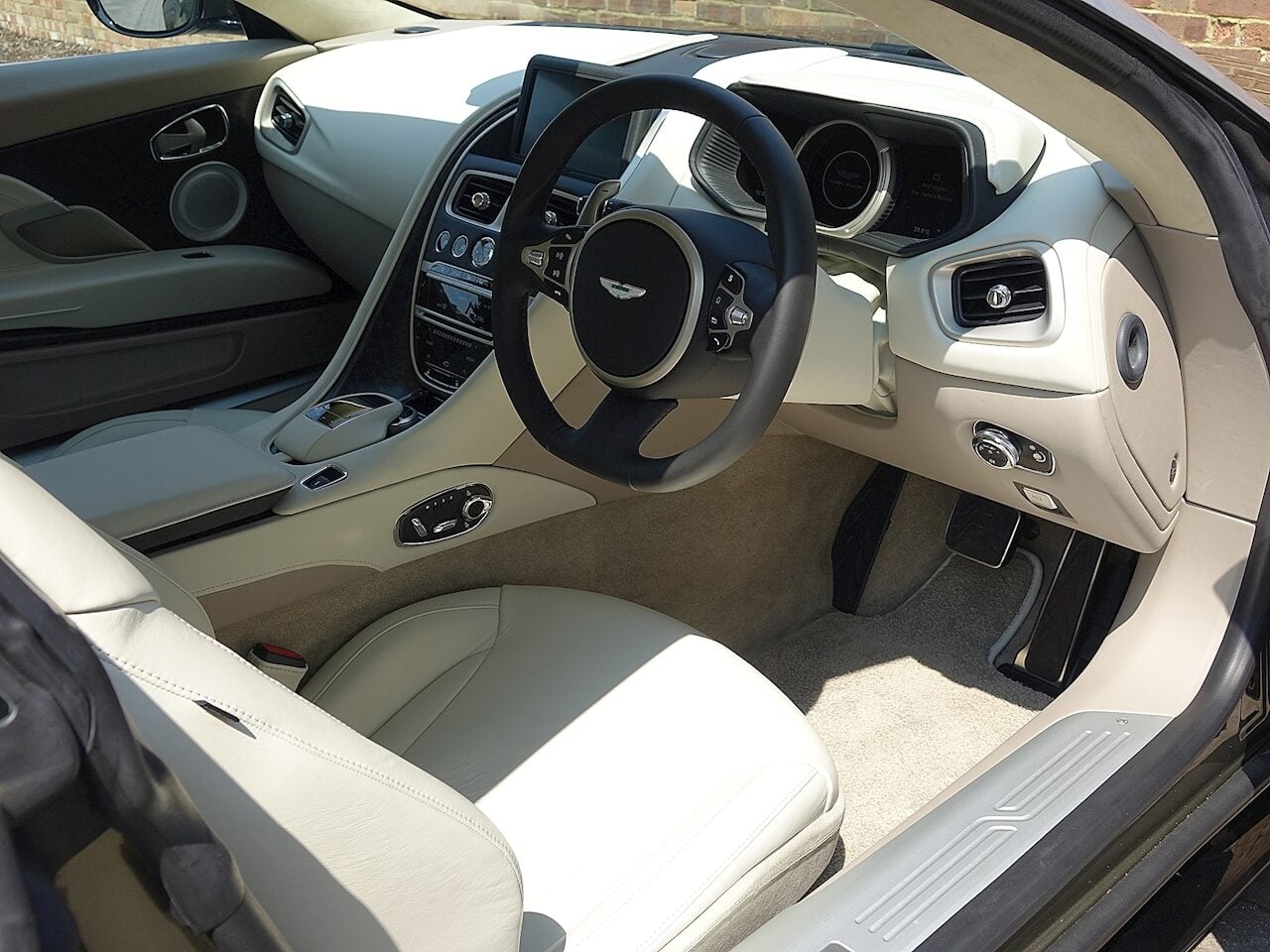
Comfy GT front seats come with heating and ventilation options, ensuring comfort on long drives. What about the two back seats in this supposed 4-seater? They're functional if you’re below 3-feet tall. In reality, they are at best suited for small children or extra luggage. Even then, they might not want to spend a lot of time in them.
In the front, a digital instrument cluster adapts to your selected driving mode, while physical controls replace touchscreen interfaces. A firm, flat-bottomed steering wheel integrates the multifunction controls for cruise control, media, and infotainment navigation.
The infotainment system, based on Mercedes' interface, features an 8-inch screen and includes Apple CarPlay and Bang & Olufsen sound. While functional, some hardware elements, like the cruise control stalk and infotainment buttons, feel a little generic.
Turbo S
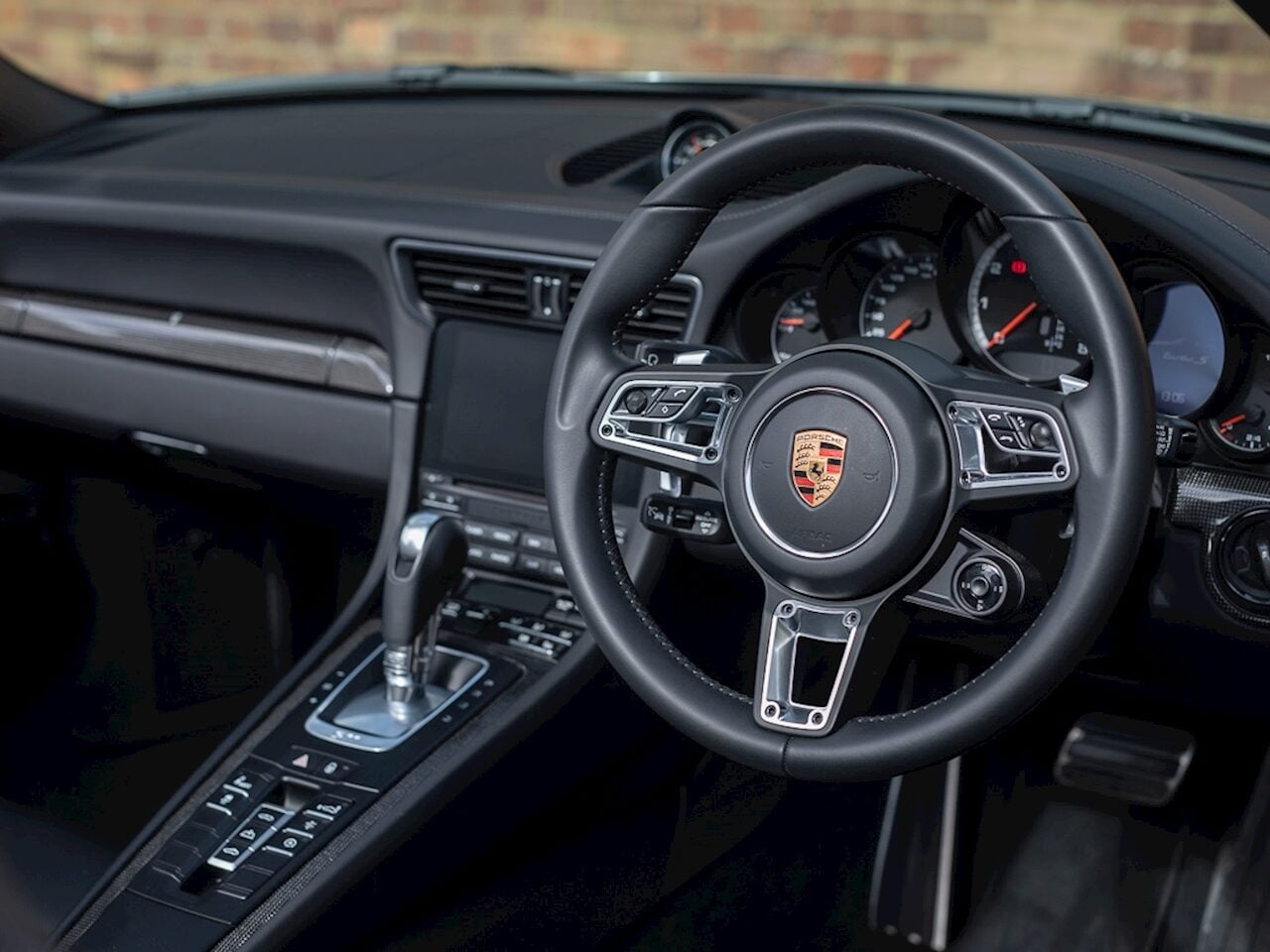
This cabin demonstrates Porsche's commitment to driver focus and premium comfort.
Gripping the classic three-spoke, multifunctional steering wheel, you're surrounded by luxury leather, carbon fibre, and bespoke trim options.
Electrically adjustable sports seats offer heating, with ventilation and massage options available, while the two rear seats are surprisingly usable (for short trips). And there’s almost 130 litres of boot space also.
The horizontal dashboard houses Porsche’s iconic analogue central rev counter, together with digital displays of other driving information.
Tech highlights include PCM infotainment, BOSE/Burmester sound systems, Apple CarPlay/Android Auto, and advanced driver aids. The excellent acoustics and Porsche’s sound insulation keep road noise to a minimum, even at motorway speeds.
While comfort levels are comparable, Porsche wins for superior technology.
Performance
| Spec | Aston Martin DB11 V12 (AMR) | Porsche 911 Turbo S (992) |
| Engine Type | 5.2L Twin-Turbo V12 | 3.8L Twin-Turbo Flat-6 |
| Fuel Type | Petrol | Petrol |
| BHP | 630 bhp (AMR) | 641 bhp |
| 0–62mph | 3.7 sec (AMR) | 2.7 sec |
| Top Speed | 208mph (334 km/h) | 205mph (330 km/h) |
| Engine Capacity | 5,204 cc | 3,745 cc |
| Curb Weight | ~1,900 kg | ~1,640 kg |
| Transmission | 8-speed ZF automatic | 8-speed PDK automatic |
Driving Experience
Here's what to expect when getting behind the wheel of these cars.
DB11
The DB11 announces itself with the thunderous roar of a V12 or the deep growl of a 4.0L V8. The standout AMR 5.2L V12 delivers torque, top speed, and power that compare strongly with the Turbo.
Its heavier weight means it trails the Turbo S in acceleration, but its smooth power delivery excels in high-speed cruising, making it ideal for long-distance drives with a thrilling soundtrack.
The DB11 is designed for effortless long-distance travel, delivering comfort and composure on open roads.
Its adaptive suspension and smooth chassis handle high speeds with ease, though the ride is slightly heavier and can feel firm in tight corners. That said, it shines on the long road, where the steering is clean, well-weighted, with excellent feedback. The ZF automatic transmission shifts smoothly but lacks the razor-sharp response of the Porsche.
For drivers who love relaxed, stylish cruising with a touch of drama, the DB11 delivers in spades.
Turbo S
The Turbo blends explosive acceleration with quality all-weather handling. It's a planted ride at any speed, thanks in part to the advanced AWD system.
Steering is clean and ultra-precise, offering great feedback, agility, and control. Even manual transmission devotees can sit back and appreciate Porsche’s brilliantly tuned 8-speed PDK gearbox. It handles rapid-fire shifting with excellent precision.
At lower speeds, the Turbo S is a comfortable daily driver. On the track, it transforms into a missile.
With multiple drive modes (Normal, Sport, Sport+, Individual), the 911 has something for every driving mood.
Pricing and Value
DB11
- New price: New DB11 V8s were priced at £150,000-£180,000. V12s cost £180,000-£200,000+, depending on customisation and options.
- Used values: Used prices generally range from £80,000 to £150,000+ based on year, mileage, and engine. Since the car was discontinued, there are bargains to be had.
- Depreciation: Aston Martins, while exclusive, typically see steeper initial depreciation than comparable Porsches.
- Running costs: Servicing, fuel, insurance, and parts for a car driven regularly can run you £10,000 annually.
911 Turbo S
- New price: A new Turbo S (992 generation) starts from around £180,000. Incorporating options can quickly push this over £200,000.
- Used values: Pre-owned models often retail for a high percentage of their original MSRP due to strong demand and reputation. Good motors with low mileage can fetch £160,000+
- Depreciation: The Turbo S retains value decently. The model depreciates, but not as sharply as the DB11.
- Running Costs: The Turbo generally has more predictable and lower maintenance costs. £5,000-£7,500 annually is a guideline estimate.
Notable Versions
The DB11 and Turbo S offer various iterations catering to different driving passions and lifestyles. Here are some of our favourite versions..
DB11
- V8 Coupe/Volante: These models are powered by a 4.0L twin-turbo V8 producing 503 bhp and have more agile handling due to their lighter engine. The Volante is the elegant convertible variant.
- V12 Coupe (AMR): The AMR (Aston Martin Racing) is the flagship DB11, featuring a 5.2L twin-turbo V12. Built for ultimate speed and luxury, it is strongly performance-focused, boasting impressive torque and power.
Porsche 911
- Carrera/Carrera S: The Carrera is a versatile entry-level model, allowing Porsche lovers to enjoy the high-performance range (often for under £100,000). Powered by turbocharged flat-six engines, they are available in rear- or all-wheel drive.
- Turbo/Turbo S: 911 Turbos are the ultimate all-rounders, combining supercar performance with super daily comfort. The standard Turbo delivers 572 bhp and has a top speed of 198 mph.
- GT3/GT3 RS: These are race-bred machines with the famed naturally aspirated flat-six engine. While incredibly exhilarating, the RS in particular is a motorsport beast rather than a tourer.
DB11 vs 911 Turbo S: The Verdict
So, which car comes out on top: Aston Martin DB11 or Porsche 911?
The DB11 is a grand tourer in the truest sense. The drive is elegant and dramatic, whether you opt for the compelling V8 or a more thunderous V12 sound.
Granted, running costs are high and the rear passenger seats are mostly symbolic, but for a GT with striking looks, a fantastic engine, and bags of character, the DB11 offers great value.
The 911 Turbo S is something else. Quicker than the DB11 in any real-world test, its grip, reliability, and composure are world-class.
It’s less flamboyant than the Aston and, to some, a bit clinical. But for terrific all-purpose driving with top tech, it's elite.
And the winner? While the DB11 delivers an exceptional driving experience and tugs at the heartstrings - it’s British after all - we favour the Turbo S. This Porsche brings exceptional pedigree, performance, reliability, and a versatility few can match.
If you’re interested in buying an Aston Martin or a Porsche, then check out our collection in our showroom.
Or if you’re still unsure on what Porsche to choose then check out some of our other buying guides including the Porsche 911 GT3 Vs RS, Lamborghini Huracan Vs the 911 Turbo S and the Porsche 911 Vs Cayman 718.