/137/1/16203046156093e2e7ba3a1_romans-international-logo-black-23.05.png)
/137/1/162513748360dda14b60068_romans-international-logo-whiteout.png)
The Complete Guide to Supercar Storage for Winter

Protect Your Investment Through the Cold Months with Expert Winter Storage Solutions
The winter season doesn't have to mean saying goodbye to your beloved supercar until spring arrives again. As one of the UK's leading supercar specialists, here at Romans International, we understand that your prized Ferrari, McLaren, Lamborghini, or Aston Martin deserves the same level of care during storage as it receives on the open road.
In this comprehensive guide, we will guide you through everything you need to know about winter storage for your supercar, ensuring your automotive masterpiece emerges in pristine condition when the warmer months return.
We've spent decades helping owners protect their investments, and we've learned that proper winter storage isn't just about covering the car up - it's about creating the ideal environment for long-term preservation to keep your car looking and performing at its best.
Key Takeaways
- Proper preparation is crucial - your supercar needs specific care before entering winter storage
- Climate-controlled environments are essential for protecting sophisticated electronics and premium materials
- Regular maintenance checks during storage prevent deterioration and costly repairs
- Battery care is hugely important - modern supercars have complex electrical systems that require constant attention, even when not in use
- Professional storage facilities offer advantages that home garages simply cannot match
- Pre-storage detailing and post-storage preparation are equally important phases
- Tyre care during storage prevents flat spots and maintains performance characteristics for when you want to get your car back on the open road
- Fuel system preparation protects against contamination and degradation
- Insurance considerations may change during extended storage periods
- Spring preparation is just as important as autumn storage procedures
Why Winter Storage Matters for Your Supercar
"Do I really need to store my supercar for winter?" is a question we often get asked. The answer very much depends on your driving habits, but for most UK supercar owners, proper winter storage isn't just recommended - it's essential for maintaining your vehicle's value and performance.
British winters create many unique challenges for high-performance vehicles. Issues such as salt on the roads to combat ice, day and night temperature fluctuations, dampness in the air, and reduced driving opportunities all combine to create conditions that can be particularly harsh on supercars.

What’s important to remember is that these magnificent machines are engineered for performance, not for sitting idle in harsh conditions during months on end. As such, modern supercars contain sophisticated electronics, precision-engineered components, and premium materials that require specific care during extended periods of inactivity.
Investing in proper winter storage helps in maintaining the overall condition of your supercar and preserves that exhilarating driving experience you fell in love with.
Choosing the Right Storage Solution For Your Supercar
Professional Storage Facilities
Think of professional storage as a five-star hotel for your supercar. These specialist facilities offer climate-controlled environments, security systems, and staff who understand the unique needs of high-performance vehicles. The investment in professional storage can often pay for itself through preserved value and reduced maintenance costs.
Home Storage Solutions
If you're planning to store your supercar at home, your garage needs to meet specific standards to protect your vehicle properly. A basic garage might shelter your car from the elements, but true protection requires much more consideration.

Essential home storage requirements should include:
- Dehumidification - Invest in a quality dehumidifier to maintain optimal humidity levels inside the garage
- Ventilation - Proper airflow prevents stagnant conditions that would otherwise encourage corrosion of your vehicle
- Security - Upgrade locks, install alarm systems, and consider additional security barriers
- Temperature Stability - Insulated garages with heating systems provide better protection than unheated spaces
Pre-Storage Preparation For Your Supercar
Proper preparation is like tuning your supercar before a track day - it sets the stage for optimal performance later. Your pre-storage routine should begin several weeks before your car enters hibernation. Below, we outline the most important pre-storage preparation points for your supercar:
Comprehensive Cleaning and Detailing
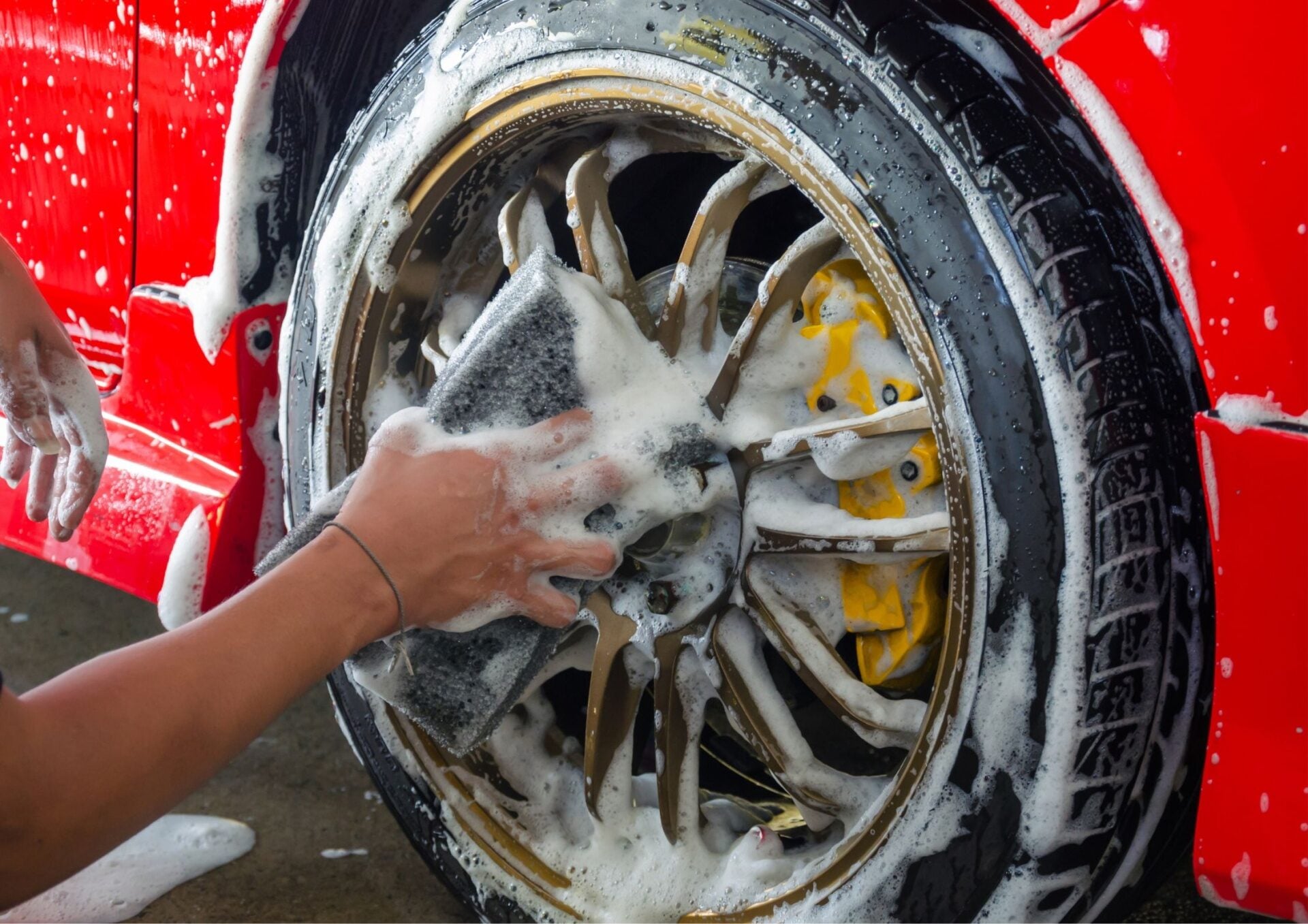
Start off with a thorough wash and decontamination of your supercar. This process isn't just about aesthetics - it's about removing corrosive substances that could cause damage during storage. Salt residue, brake dust, and road grime can continue their destructive work even when your car is stationary.
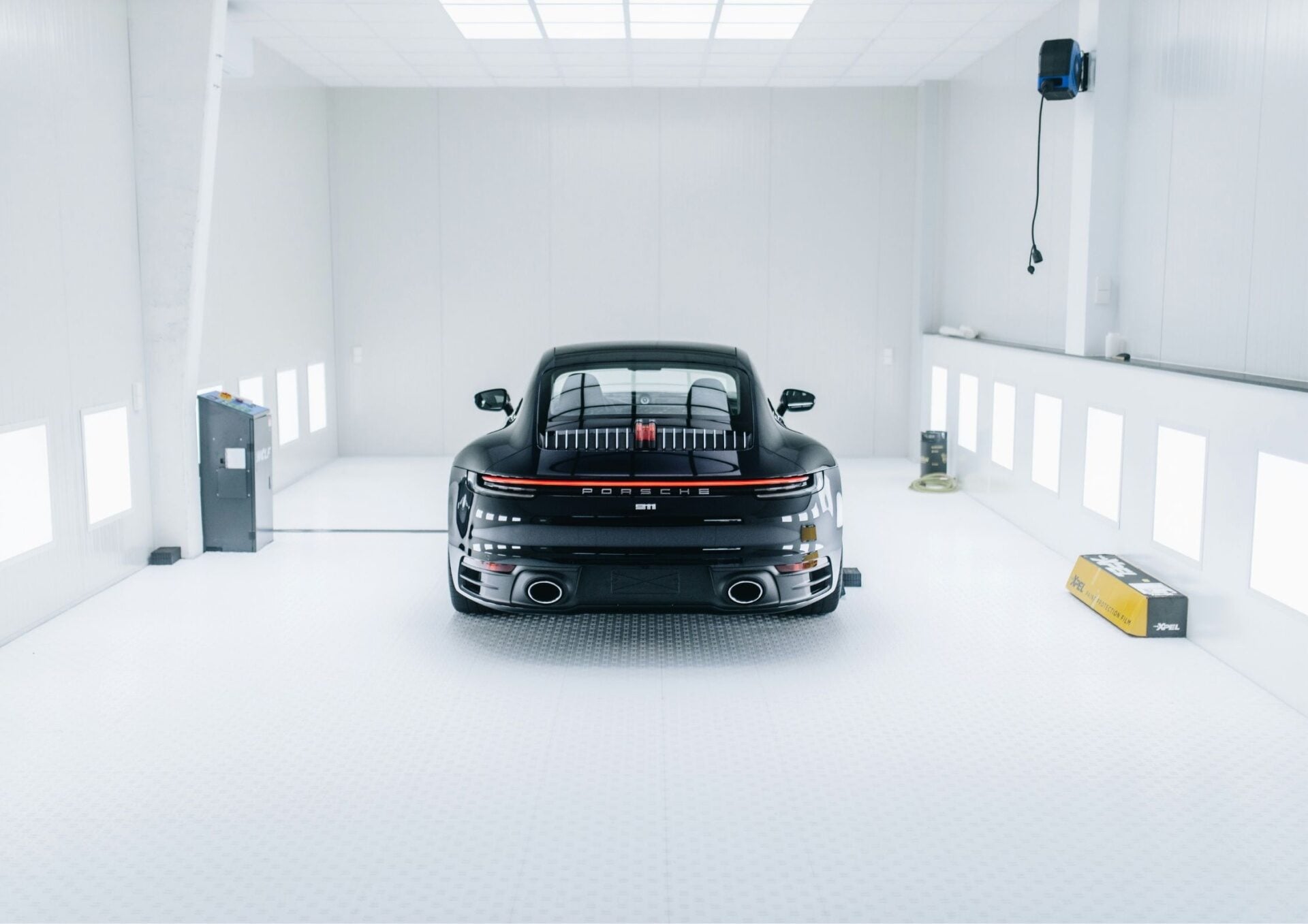
It’s also worth considering professional paint protection during this phase. Paint protection film or ceramic coatings provide an additional barrier against environmental factors during storage.
Mechanical Preparation
Your supercar's mechanical systems need specific attention before storage. This is so much more than a standard service - it's about preparing each system for an extended period of inactivity.
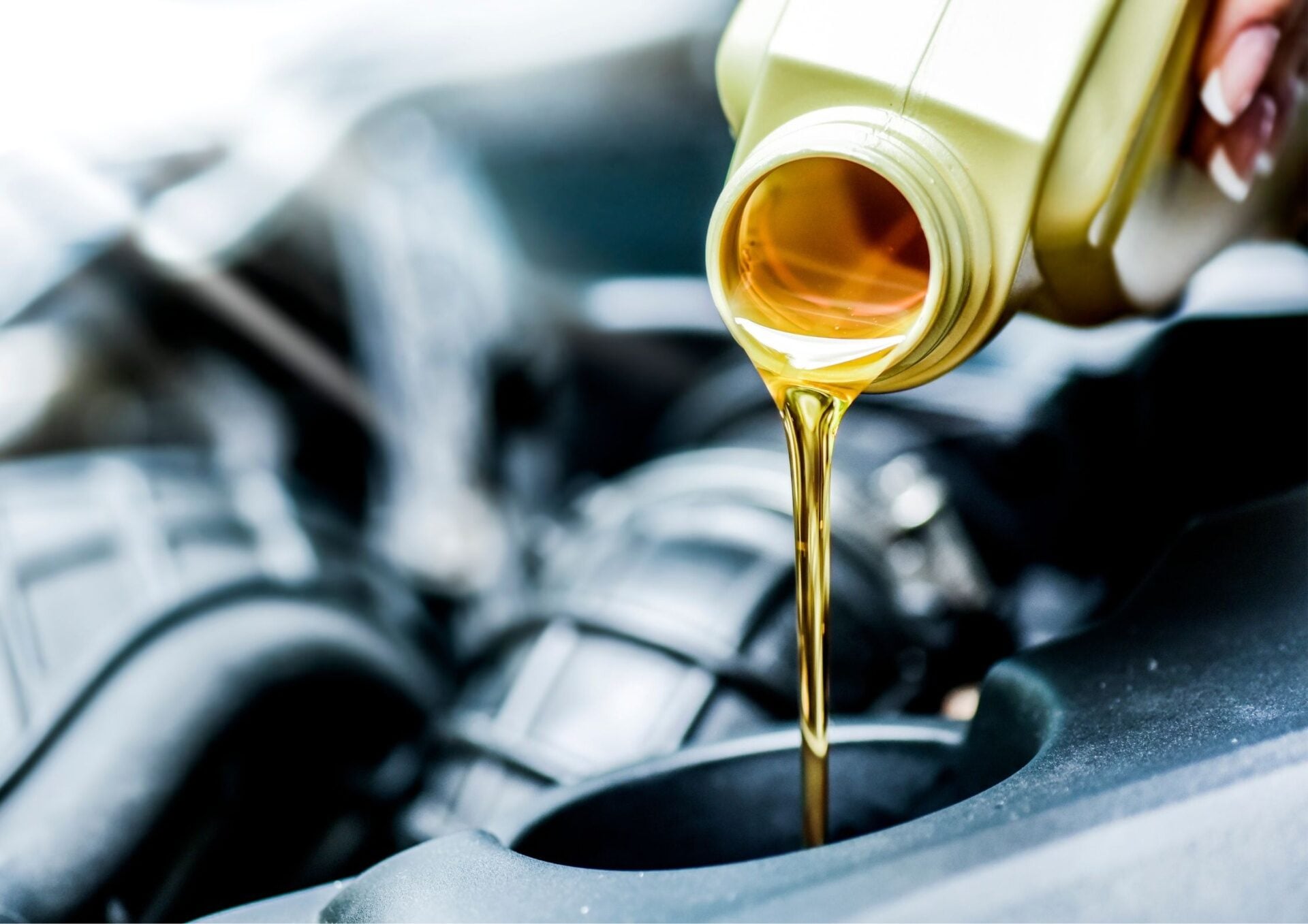
The engine oil and filter should be changed, even if they're not due for replacement according to your normal schedule. Fresh oil provides better protection against corrosion during storage than oil that's already accumulated contaminants. Use a high-quality synthetic oil that maintains its properties over extended periods.
Fuel System Care
Unfortunately, petrol and diesel don't age gracefully, and your supercar's sophisticated fuel system won’t appreciate deteriorated old sediments of fuel sitting there. Fill the tank up completely with high-octane fuel and add a quality fuel stabiliser. A full tank prevents condensation buildup, while the stabiliser prevents fuel degradation and protects fuel system components.
Run the engine for a few minutes after adding the stabiliser to ensure it circulates through the entire fuel system. This simple step can prevent expensive fuel system repairs and ensure your supercar starts smoothly when spring arrives.
Battery Care During Supercar Storage
Modern supercars are essentially computers on wheels, with electrical systems that continue drawing power even when the car is switched off. Your battery isn't just starting the engine - it's maintaining memory settings, security systems, and sophisticated electronics.

Invest in a quality battery tender or trickle charger specifically designed for high-performance vehicles. These systems monitor battery voltage and provide charging only when needed, preventing the overcharging that can damage expensive batteries.
Position the charger in a well-ventilated area and ensure all connections are secure and corrosion-free. Some supercars have specific charging points designed for maintenance charging, so we recommend you consult your owner's manual for further guidance.
Climate Control and Environmental Protection of Your Supercar
Temperature Management
During storage, a consistent temperature is more important than a purely warm temperature. Your supercar's various materials - from carbon fibre to leather - expand and contract with temperature changes.
Aim to maintain storage temperatures between 10°C and 20°C if possible. More importantly, avoid rapid temperature changes that can cause condensation and stress on components.

Humidity Control
Humidity is your supercar's silent enemy during storage. Excess moisture promotes corrosion, damages electronics, and can cause interior materials to develop mould or mildew. Aim for relative humidity levels between 45% and 55%.
Use desiccant packs inside the vehicle to absorb excess moisture, particularly in enclosed areas like glove compartments and storage bins. Replace these regularly throughout the storage period.
Air Circulation
Even in storage, your supercar needs to breathe. Stagnant air creates microclimates that can cause corrosion and degradation. If storing your vehicle at home, run ventilation fans periodically to maintain air circulation.
Tyre Care During Supercar Storage
Simply parking and forgetting about your supercar can lead to tyre flat spots, sidewall degradation, and compromised performance when you return to driving.
To help combat this, increase tyre pressures slightly above normal operating pressure before storage - typically by 5-10 PSI. This additional pressure helps maintain the tyre's shape and reduces the contact patch with the ground.
Consider tyre cradles or wheel dollies that support the vehicle while allowing the tyres to maintain their round shape. These solutions are particularly valuable for ultra-high-performance tyres that can be expensive to replace.

Tyre Movement Strategy
If possible, move your supercar slightly every few weeks during storage. Even rolling the car forward or backwards by a few feet helps prevent flat spots from becoming permanent. This simple maintenance step takes minutes but can save hundreds in tyre replacement costs.
When storing your vehicle at home, mark the tyre positions with chalk so you can track movement and ensure you're not repeatedly placing weight on the same spots.
Interior Protection and Care of Your Stored Supercar
Premium materials in your supercar, like hand-stitched leather, Alcantara, and carbon fibre, need protection from environmental factors even when in storage.

Leather interiors benefit from professional conditioning before storage. High-quality leather conditioners prevent cracking and maintain suppleness during extended periods without use. Apply conditioner according to the manufacturer’s instructions and buff to remove excess product.
Alcantara and similar materials require different care. Vacuum thoroughly to remove debris and consider professional cleaning if necessary. These materials can be sensitive to moisture, so ensure they're completely dry before storage.
Regular Maintenance During Supercar Storage
Remember that storage doesn't mean abandoning your vehicle. Your supercar still needs regular attention throughout the winter months to ensure it remains in optimal condition.
Create a routine inspection schedule that covers all critical areas of the car. Check for moisture intrusion, fluid leaks, and any changes in the vehicle's condition. Early detection of issues allows for prompt resolution before problems become expensive.
Document each inspection with photographs if storing professionally or keep detailed notes if managing storage yourself. This record helps track any changes over time and provides valuable information if issues arise.
Insurance and Legal Considerations of Supercar Storage
Storage Insurance Requirements
Consult with your insurance provider about coverage during extended storage periods of your supercar. Some policies offer reduced premiums for vehicles in storage, while others maintain full coverage throughout. Understand what protection you have and whether additional coverage might be beneficial.
Professional storage facilities typically carry their own insurance, but this might not cover your vehicle's full value or specific circumstances. Ensure you understand the coverage hierarchy and your responsibilities.

SORN and Legal Requirements
If you're planning to keep your supercar off public roads throughout the storage period, consider submitting a Statutory Off Road Notification (SORN) to the DVLA. This can provide savings on vehicle excise duty (VED) and may influence your insurance arrangements.
Make sure to maintain the current MOT status and insurance for your supercar even during storage, as lapses can create complications when recommissioning your vehicle for road use.
Preparing Your Supercar to Come Out of Storage
Being prepared for the end of your vehicle’s winter storage is just as important. As spring awakens, your supercar needs specific preparation before returning to active duty, and rushing this process can undo months of careful preservation.
Initial Inspection
Begin with a comprehensive inspection of all systems and components. Check fluid levels, inspect for any changes that occurred during storage, and verify that all systems are functioning correctly. Make sure you address any issues before attempting to drive the vehicle.
Fluid System Preparation
Check all fluid levels and conditions. Oil that appeared fresh at storage might need replacement if condensation or contamination occurred. Brake fluid, coolant, and power steering fluids should all be inspected and replaced if necessary.
Tyre Preparation
Return tyre pressures to normal operating specifications and inspect for any flat spots or degradation that might have occurred. Even with perfect storage procedures, tyres may need a period of gentle driving to return to optimal shape and performance.
Are You Ready to Store Your Supercar?
Whether you choose professional storage or create the perfect environment at home, the key is understanding your supercar's specific needs and meeting them consistently. Our team has helped countless clients develop storage strategies that preserve their vehicles' condition and value while providing peace of mind throughout the winter months.
For expert advice on storage solutions, maintenance schedules, or any aspect of supercar care, our experienced team is here to help. We can recommend trusted storage facilities, connect you with specialist service providers, and ensure your supercar receives the attention it deserves.
Contact the Romans International team to find out more.

Frequently Asked Questions About Supercar Winter Storage
How Long Can I Store My Supercar Safely?
With proper preparation and maintenance, supercars can be stored safely for several months or even years. The key is appropriate preparation and regular monitoring. Seasonal storage of between 4 to 6 months is straightforward with basic procedures, while longer periods require more comprehensive preparation and potentially professional oversight.
Should I Store My Supercar with a Full or Empty Fuel Tank?
Always store your supercar with a full tank of high-octane fuel plus quality fuel stabiliser. A full tank prevents condensation buildup that can cause corrosion, while fuel stabiliser prevents degradation of the petrol itself. Empty tanks create more problems than they solve in storage situations.
Can I Store Different Supercar Brands Together?
Absolutely! Different brands can share storage facilities without issues, provided each receives appropriate individual care. Professional storage facilities routinely house various marques together. The key is ensuring each vehicle's specific requirements are understood and met.
What's the Biggest Mistake People Make with Supercar Storage?
The most common error is inadequate preparation combined with the "park it and forget it" mentality. Supercars need active care even in storage. Skipping proper cleaning, using cheap or incorrect fluids, neglecting battery maintenance, or failing to perform regular checks during storage can lead to expensive problems.
Is It Worth Storing a Supercar I Only Drive Occasionally?
If you're only driving your supercar occasionally anyway, proper storage makes even more sense. Occasional use without proper storage procedures can actually be harder on the vehicle than regular driving or proper storage. Intermittent use with long periods of inactivity creates the worst of both worlds - the problems of storage without the benefits of proper preparation.
What Happens If I Need to Access My Car During Storage?
Professional supercar storage facilities typically offer access arrangements, though these may involve advance notice or additional fees. If storing your vehicle at home, ensure your storage setup allows for emergency access if needed. Consider your storage choice based on how likely you are to need vehicle access during the storage period.
Can Storage Affect My Supercar's Warranty?
Proper storage shouldn't affect warranty coverage, but improper storage that leads to damage might create warranty issues. Always follow manufacturer recommendations for storage procedures and maintain service schedules even during storage periods. We recommend that you keep detailed records of all storage preparations and maintenance performed on the vehicle.