/137/1/16203046156093e2e7ba3a1_romans-international-logo-black-23.05.png)
/137/1/162513748360dda14b60068_romans-international-logo-whiteout.png)
Aston Martin Valkyrie: 10 Things You’ll Love

The Aston Martin Valkyrie isn’t just any old hypercar; it’s basically a Formula 1 car that is road legal. It’s what comes about when Aston Martin combines their history of creating cars with beauty, balance and bite with Red Bull Racing's engineering pedigree.
What has been produced is a car that will go down as an all-time classic. It’s such a unique car that we could easily cover 50 things that we love about it, but instead, we’ve decided to narrow that down to just 10.
So buckle up, because we’re about to dive into 10 reasons you’ll love the Aston Martin Valkyrie. Covering everything from how many Valkyries there are to what engine does it have.
1. Collaboration
The first thing that we need to talk about is the collaboration between the two automotive giants.
On one side, you have Aston Martin, the very definition of British elegance and handcrafted luxury. On the other, you have Red Bull Racing, the F1 constructor with six championship titles and a ruthless pursuit of speed. This partnership isn't just a badge swap; it's a true fusion, blending Aston's famous craftsmanship with Red Bull's world-class F1 engineering.
The Valkyrie is one of Aston Martin’s most ambitious projects, and with Adrien Newey at the helm, they’ve managed to create one of the most groundbreaking cars of all time.
2. Gearbox
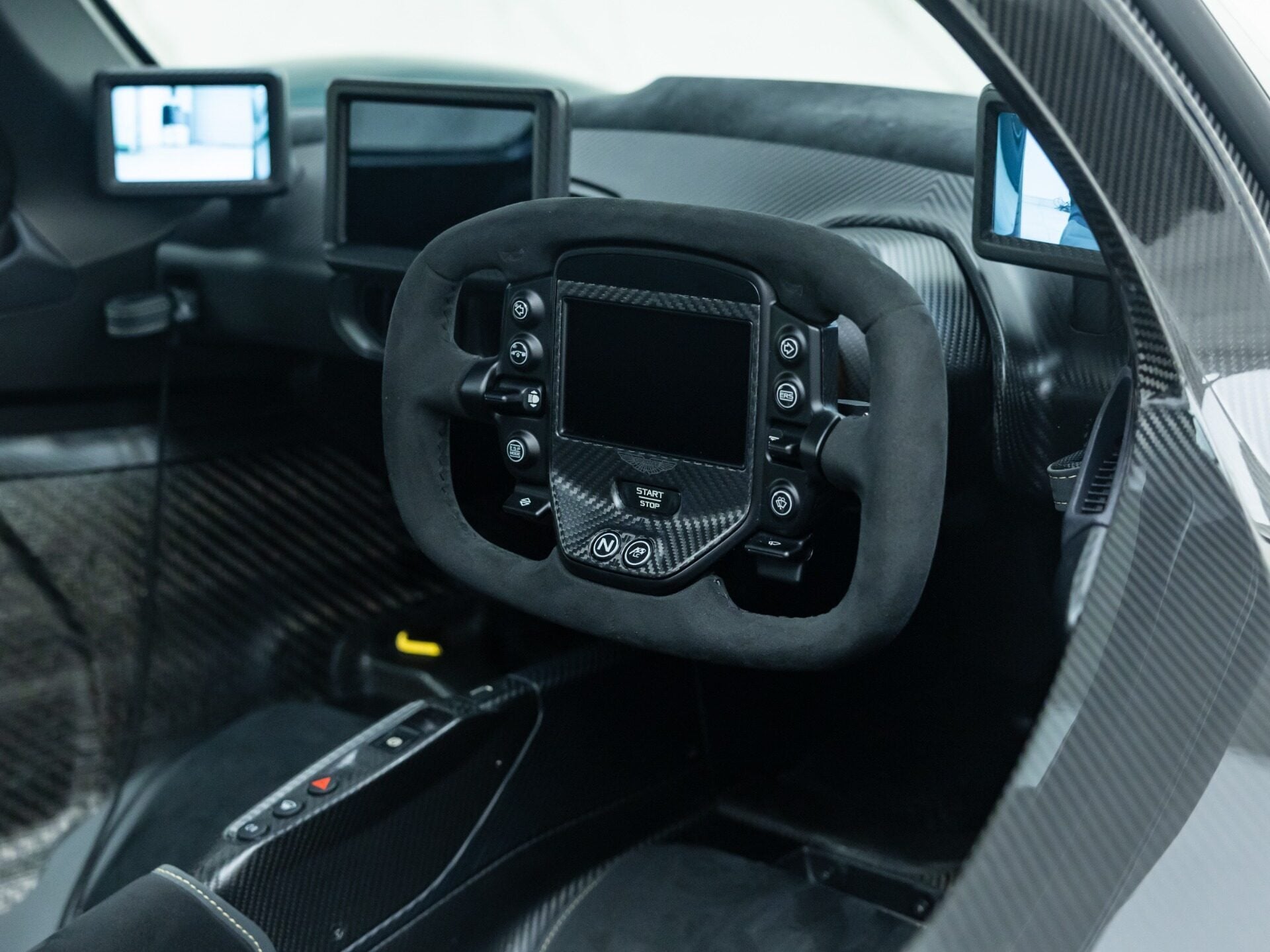
The second thing that we think you’ll love about the Valkyrie, is the gearbox.
Developed specifically for the car by Ricardo, it's a seven-speed single-clutch sequential unit, all controlled via the paddles. This is where Aston Martin bucks the hypercar trend. While most rivals lean on dual-clutch transmissions, the Valkyrie goes for the single-clutch setup. Why? It's lighter and, crucially, it's the exact type of gearbox you’d find in a Formula 1 car, giving a slight nod to that Red Bull Racing heritage.
One of the most impressive things about this gearbox is the way that it shifts through the gears. Normally, you’d think that a single-clutch would make the gear changes a little clunky, a bit like you would get with something like the Aventador, but it’s actually really smooth. That’s because there’s an electric motor which acts as a generator and smoothes out all the changes, whilst also acting as the reverse gear.
The other thing that’s really surprising with Valkyrie, is how easy it is to manoeuvre in the lower gears despite it being a “race-bred” mechanical gearbox.
3. Crash Structure
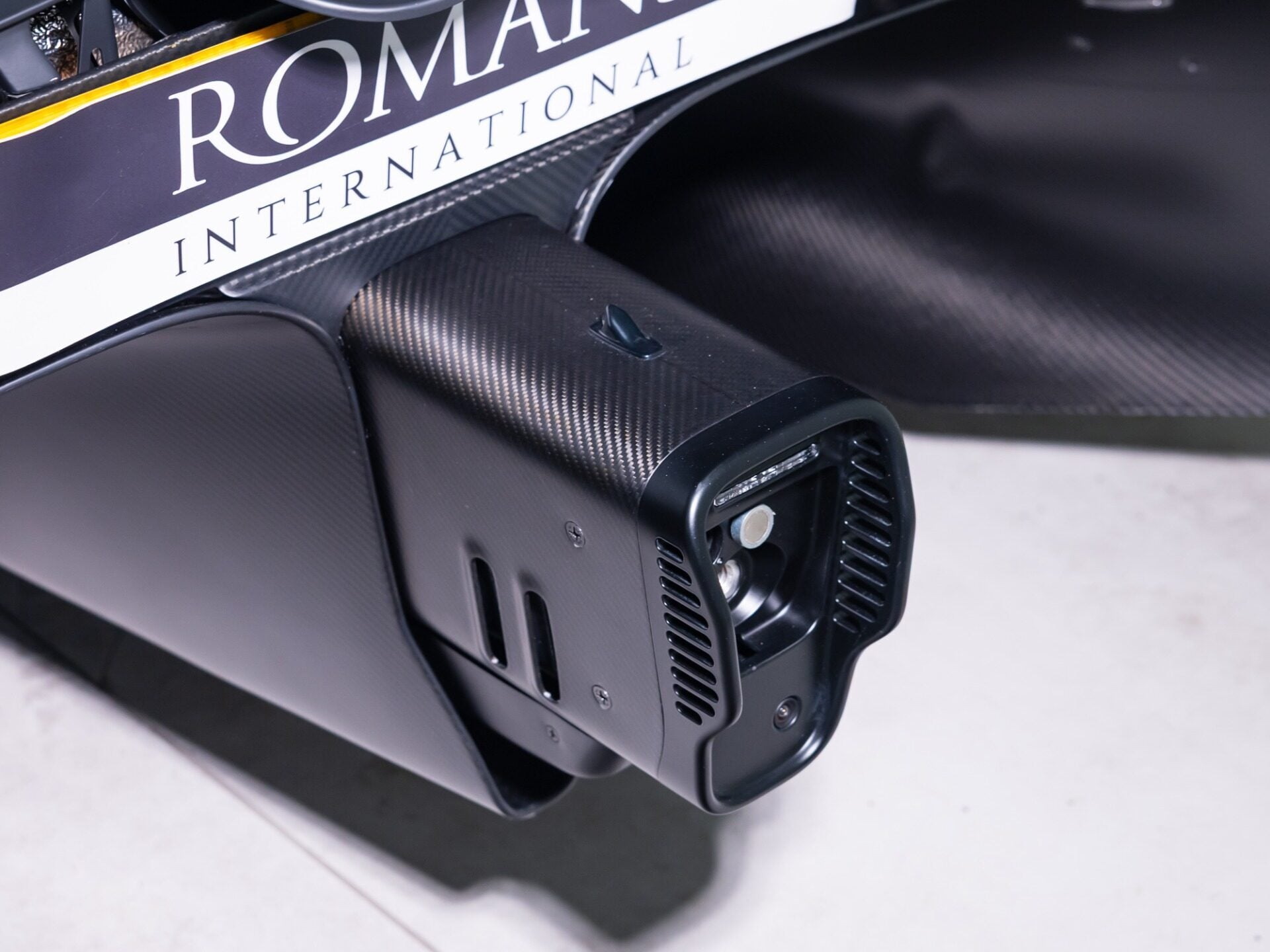
Another really great feature on the Aston Martin Valkyrie is the crash structure, which has been carried across from the F1 cars and doubles up as a sort of high-tech rear bumper.
This single component juggles a bunch of jobs: it’s the charging port for the 12V battery, the hideaway for the towing eye, the home for the reverse camera, and the mount for the rear license plate light and reversing light.
And here’s a cool bit. Look closely at the sides and you’ll spot two specialised slots. Since there are no traditional jacking points, these slots are designed for a custom brace to slide right through, lifting the entire rear of the car—just like a pit stop on a Formula 1 grid!
4. Doors
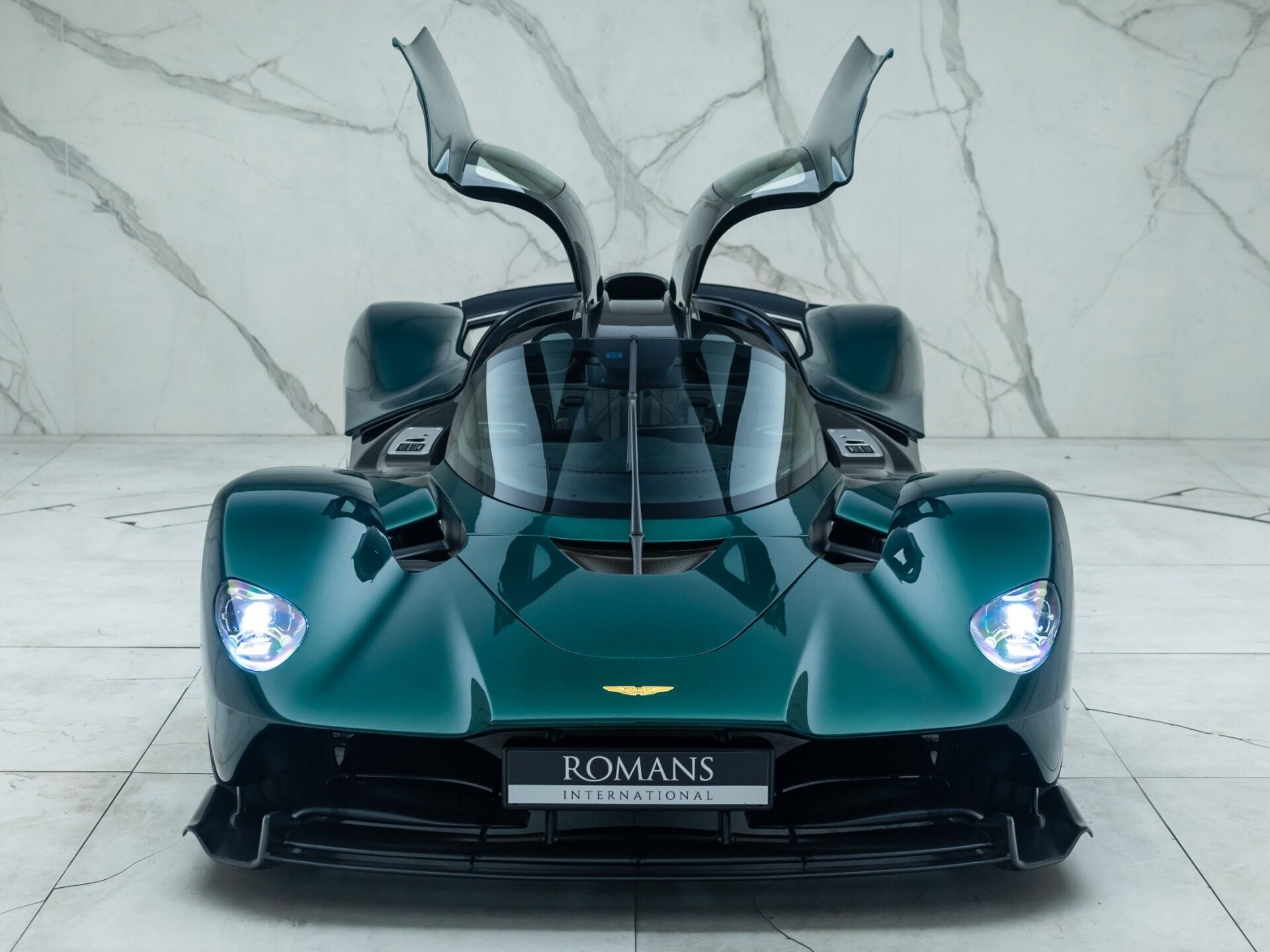
Forget standard car doors. The Valkyrie’s gullwing doors make you feel like you've arrived from another galaxy. As they arc skyward, you feel less like you’re entering a car and more like you are strapping into the cockpit of a fighter jet.
These doors are sculpted perfectly around the car's massive carbon tub and incredibly snug cabin, all while cleverly clearing the roof scoop. And as a nice little finishing touch, the door has a soft-close function, so you’re never at risk of slamming it and causing any damage.
5. Cockpit
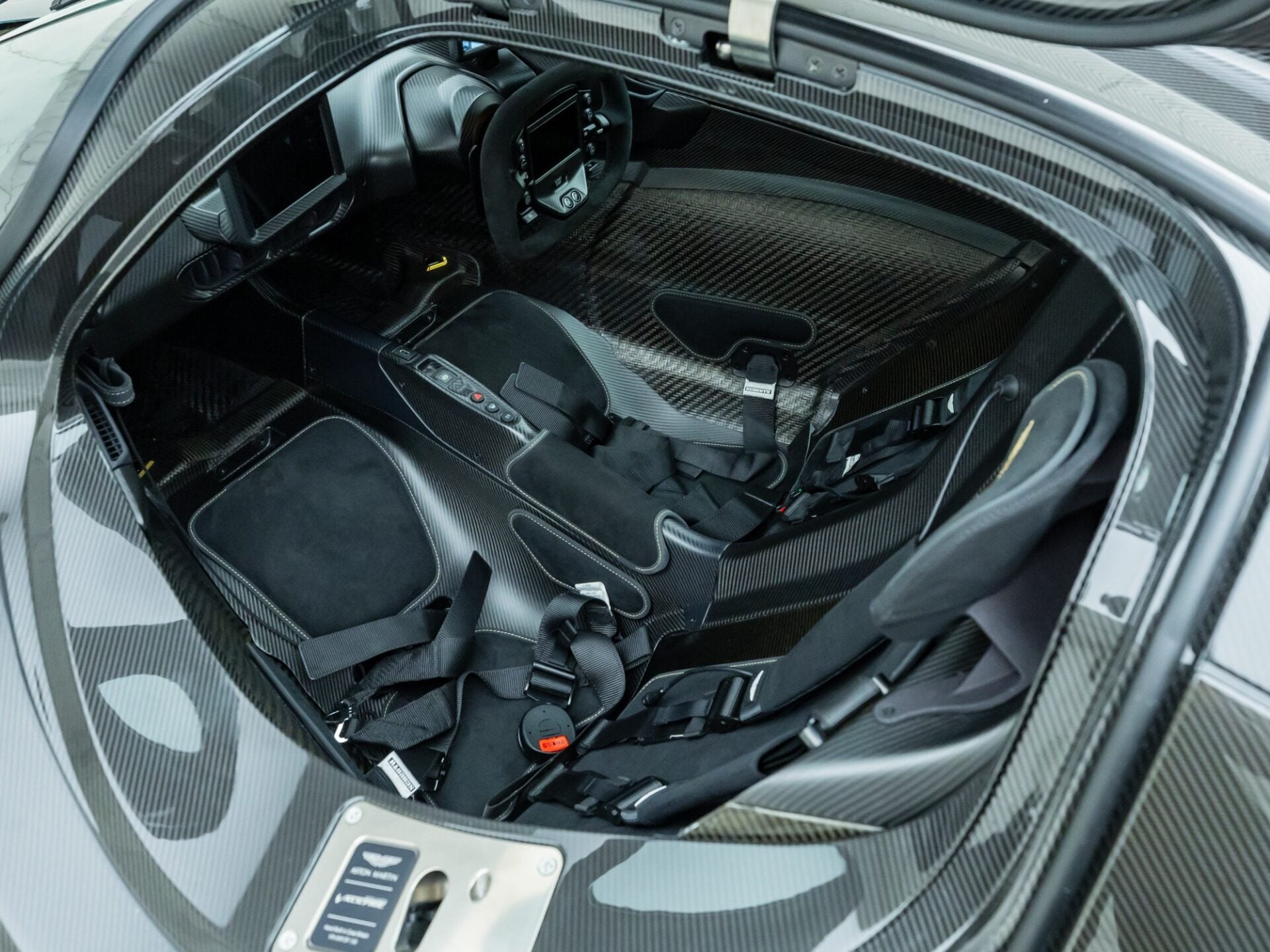
The Valkyrie’s cockpit is, as you’d expect, a little snug. But that doesn’t matter, as when you sit behind the wheel, there is a real sense of occasion.
As you sit in it and look around, the first thing you’ll spot is the seats. Or lack of seats. In this version of the Valkyrie, you just have these squab cushions which lie back on the tub. There is an option to bolt in some carbon shell seats if you need a little more support.
The driving position adds to that feeling of being in a road-legal F1 car, with the seats lying back a bit and your feet up, just like in an F1. The pedals are able to move back and forward with the steering also adjustable for comfort. But to be honest, for taller people, it’s very tight and hard to get comfortable.
Outside of that, the interior is pretty minimalistic with not a lot going on outside a few buttons for things like the front axle lifter, your windscreen wipers and indicators. There’s also a central display for all the different stats and some infotainment.
The other interesting thing is that you get supplied two sets of headphones with a little mic on. That’s because when the engine is on, it gets pretty loud back there, and you’ll need them to be able to speak to one another, as well as pick out the road noises.
6. Wiper Blades
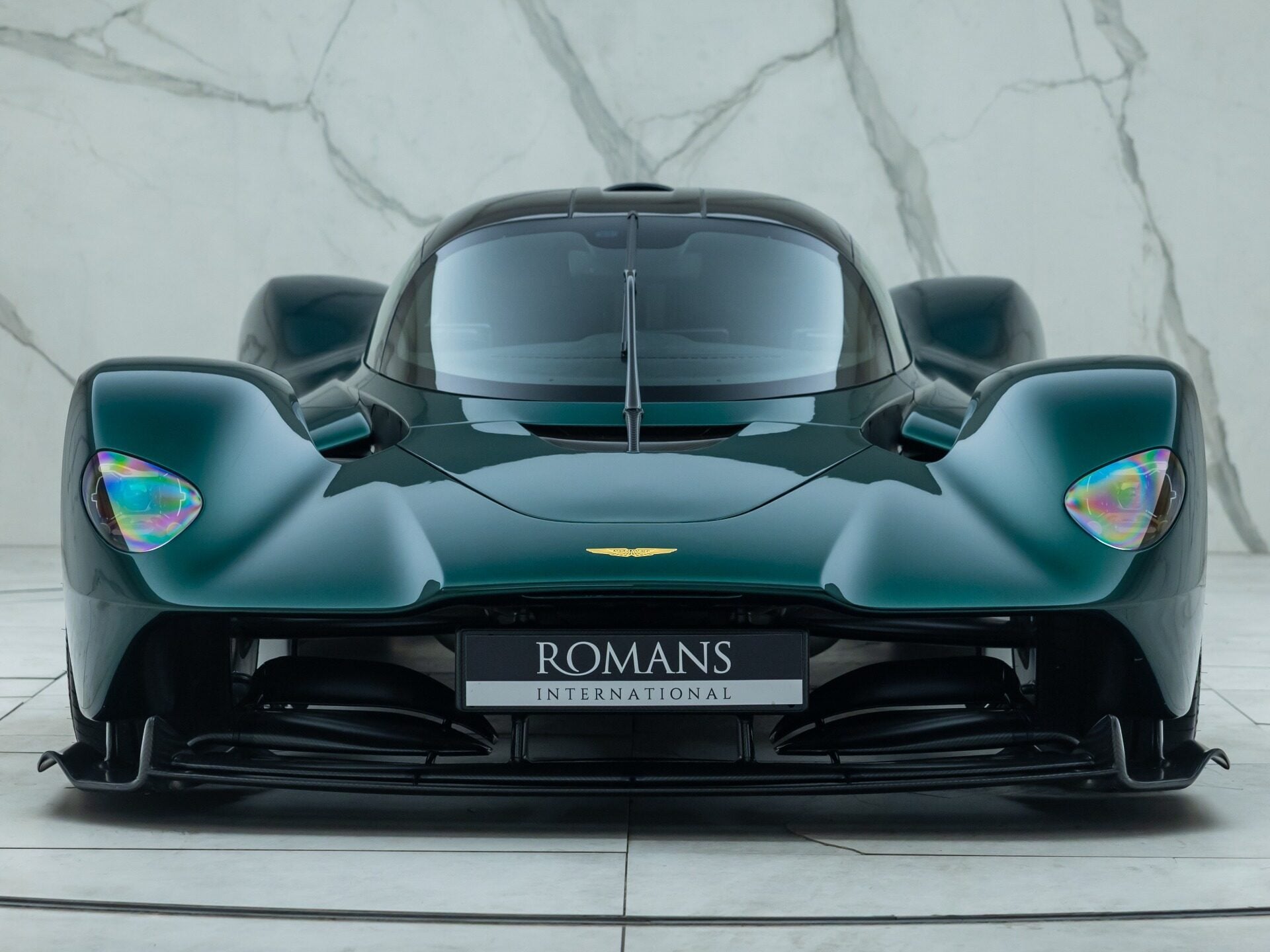
Another cool feature on the Valkyrie is the wiper blade system, which had to be invented for this car. With the windscreen curved around the driver and passenger, they had to make single-arm wiper blade systems, a bit like a Le Mans car but with one big difference - a torsion bar, which twists and allows the wiper the whole way around the screen.
The wipers were so unique and the car is so fast that the only way that Aston Martin could test them was in a wind tunnel for high-speed trains. The other interesting fact about the wipers is that they were made by the same manufacturers who made the wipers for the space shuttle.
7. The Badge
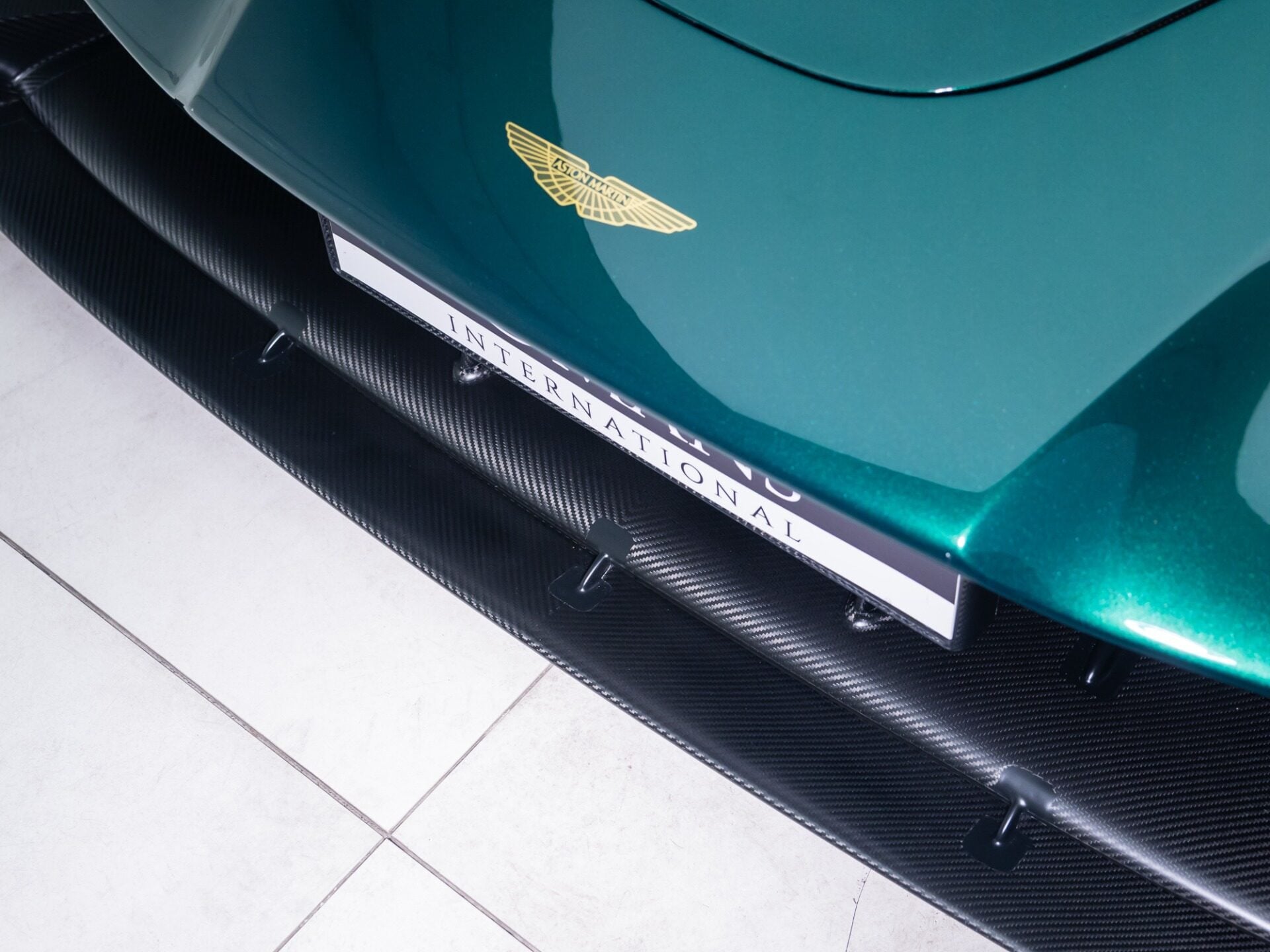
Onto the badge. You think it would be either hand-painted or a sticker, but it isn’t. It’s an ultra-thin metallic badge. It’s so soft and delicate that Aston Martin have to store it in a fridge before they apply it to the car under a lacquer to stop it from disturbing the airflow.
8. Build Numbers
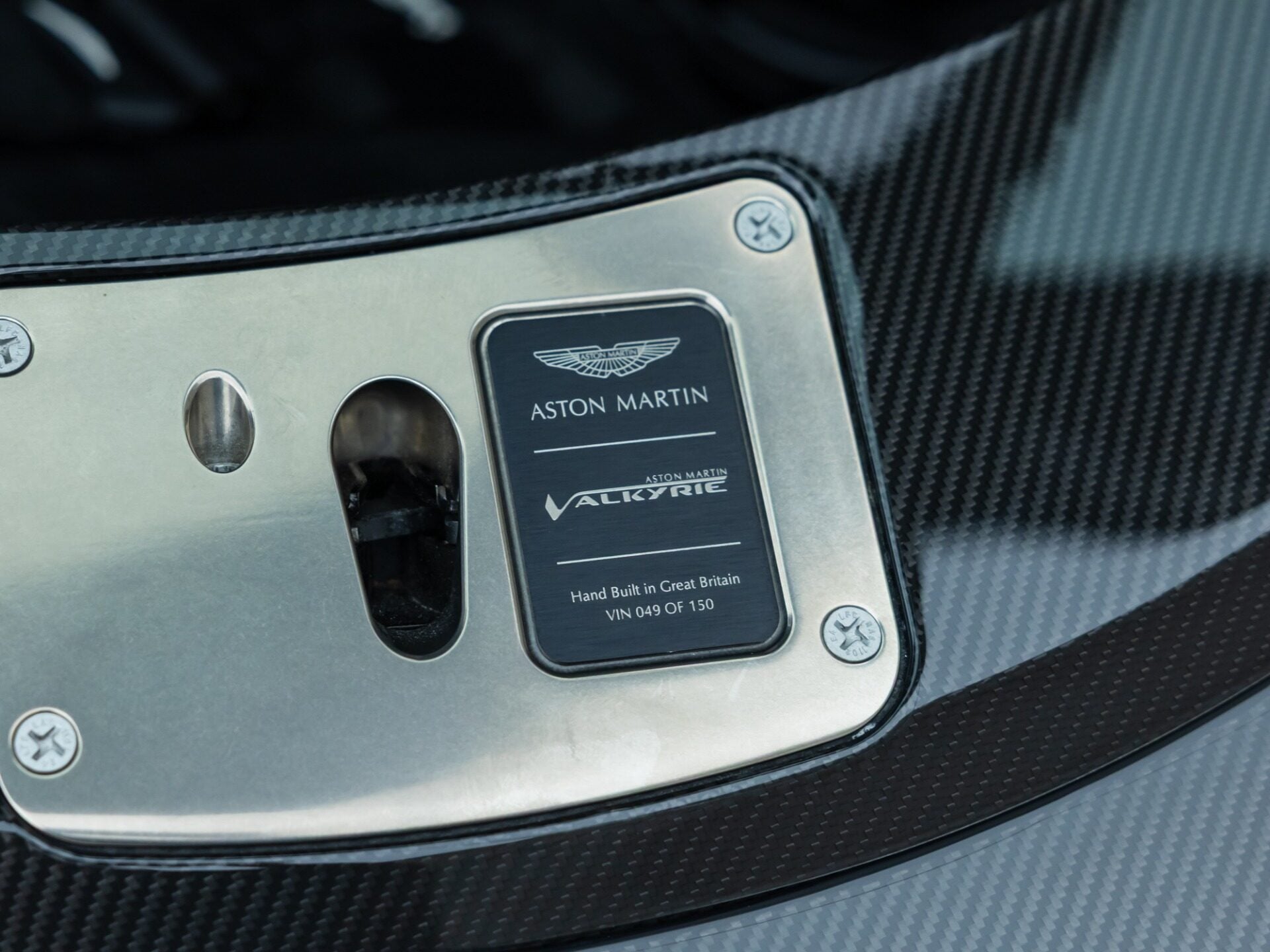
Now, let's move on to “how many Aston Martin Valkyries are there?”.
For the Coupes, there were only 150 built worldwide. Which, when you think about other hypercars like La Ferrari, the McLaren P1 and the Bugatti Veyron, is considerably less.
Outside of the Coupes, there were 85 Roadsters and 40 AMR pros, which are track only, so there are only a maximum of 275 Valkyries in existence.
Each one of the cars is individually numbered, with a little plaque that shows you what number yours is.
With the low build numbers, it means the Valkyrie is highly collectable, but it’s more than just a limited-run hypercar. It’s really a landmark moment in automotive history in the same way the Bugatti Veyron was. It pushed the envelope and redefined what a road car could be.
9. Engine
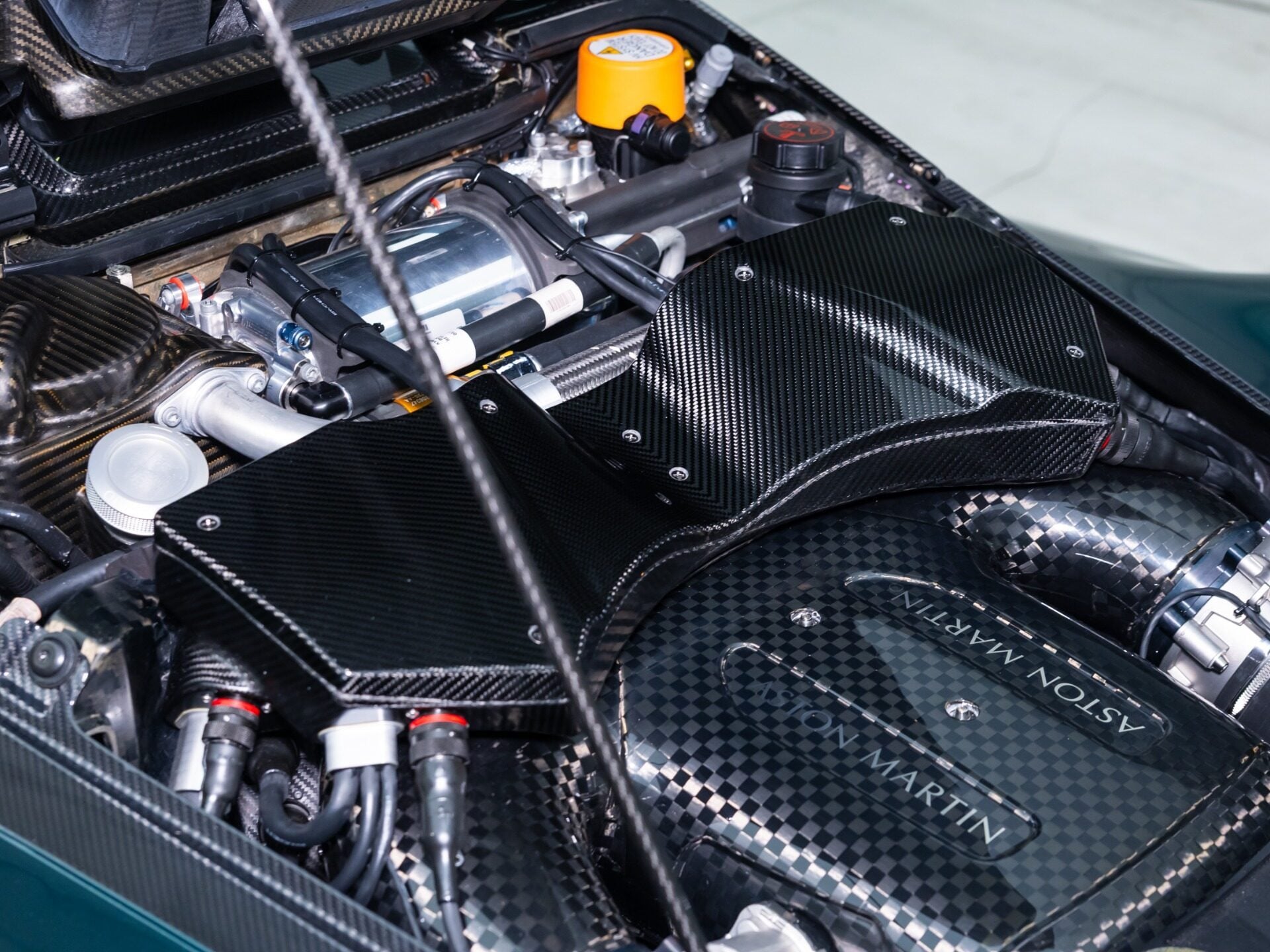
What can we say about the Valkyrie’s engine apart from that the 6.5 litre naturally aspirated V12 engine is a true masterpiece.
It was built by Cosworth in conjunction with Aston Martin and sits neatly in the rear of the car kicking out over 11,000 rpm and 1,000 bhp. There’s also an electric motor in it, which adds another 150ish horsepower.
The best thing about it though? When you sit there and rev the engine, it’s pure theatre, giving off a razor-sharp, completely unfiltered, spine-tingling sound.
10. Aerodynamics
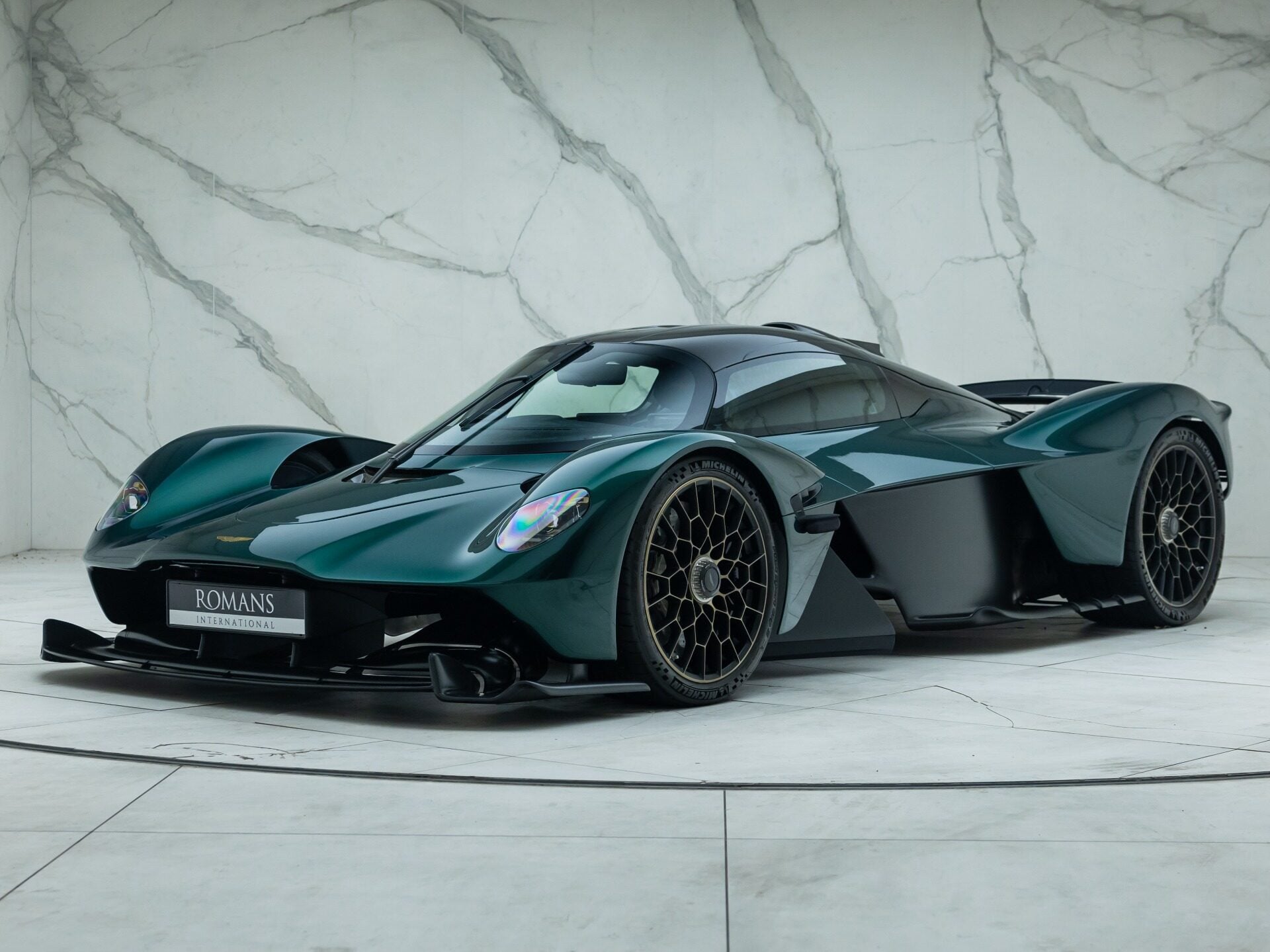
Finally, the coolest thing on the list. The aerodynamics.
There are loads of little aerodynamic features on it. Every edge, every surface, every opening has been designed to generate downforce, but we’ll pinpoint a few of our favourites.
We’ll start with the front wing. This is so much more than just a carbon front splitter because it’s closer to an F1 front wing which is totally different. There are actuators and hydraulics built into the front wing as well as active aero going on.
Another cool feature on the side of the Valkyrie is the side blade going directly underneath the car. It works as a turning vane and a way to split what they call dirty air and clean air by directing the dirty air from the tyres outward onto the road and the clean air coming from underneath.
That’s one of the big things about the Valkyrie. How much downforce is generated from underneath the car. There are these sorts of curtains on the side which generates downforce and are one of the reasons that they don’t need a massive wing like you’ll find on the GT3 RS, and also why they have these huge venturi tunnels because of all the air coming underneath.
It’s an unusual design and creates a sort of wow factor. And makes the Valkyrie completely unique compared to every other hyper car.
Summary
The Aston Martin Valkyrie isn’t just a hypercar. It’s a Formula 1 car in disguise that happens to be road-legal. Born from a dream collaboration between Aston Martin and Red Bull Racing, the Valkyrie redefines performance engineering with a Cosworth-built 6.5-litre V12 that screams past 11,000 rpm, a featherweight single-clutch gearbox, and aerodynamics that create a tonne of downforce.
Every inch of the car blends obsessive detail with racing pedigree. With just 275 units worldwide, it’s a landmark in automotive design: extreme, exclusive, and unapologetically over-engineered.